Get Full Government Meeting Transcripts, Videos, & Alerts Forever!
Get email alerts on the Criminal Justice Mental Health topic
No spam. Unsubscribe anytime.
Commission OKs state grant to create mental health court in General Sessions
Summary
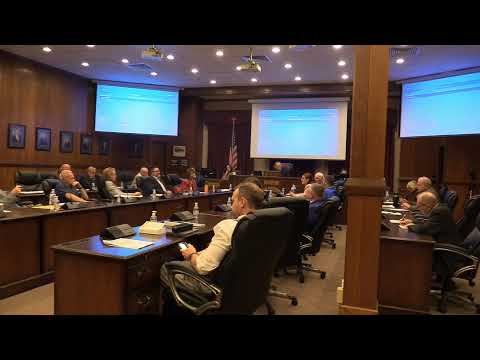
The Sullivan County Commission voted Sept. 18 to accept and appropriate up to $140,000 in state grant funds to establish a mental health court in General Sessions Court divisions 1 and 2.
The Sullivan County Commission voted Sept. 18 to accept and appropriate up to $140,000 in state grant money to create a mental health court program in Sullivan County General Sessions Court divisions 1 and 2. The item passed after a waiver of the rules and a roll‑call vote that the clerk reported as 22 in favor and 2 absent.
Supporters said the program is intended to divert people with mental health needs away from jail and toward treatment and supervision. “These two judges have taken it upon themselves to seek out this state grant and form this mental health court,” Commission sponsor Travis Ward said at the meeting, urging approval.
A judge speaking on behalf of the courts explained that the mental health court would follow a model similar to the county’s recovery court but focus primarily on individuals whose criminal cases stem from mental health conditions. The judge said the program will include a full‑time mental health coordinator with at least a four‑year degree in social work or a related field, and that screening panels will include public defenders, district attorneys, treatment providers and court staff. The judge also said the state grant program includes eligibility criteria that the county must meet before receiving funds.
Commissioners asked how the county would define eligibility and whether the court would serve people with co‑occurring substance use disorders; the judge replied the program would see individuals with diagnosed or undiagnosed mental health conditions and those with co‑occurring substance use and that the state’s approval process helps set workable definitions and admission criteria. Commissioners who spoke praised the judges for pursuing the grant and noted similar programs in other Tennessee jurisdictions.
The commission adopted the resolution authorizing acceptance and appropriation of up to $140,000 and moved the item forward for implementation planning. No implementation timeline beyond program‑length estimates described by the judge (a minimum of six to 12 months for participant completion) was provided at the meeting.
Action: The sponsor moved to waive rules and approve the resolution; the clerk recorded the item as adopted. The transcript shows the vote passed with a majority sufficient for passage and the item marked adopted.
Details on required state reporting, program budget breakdown, participant eligibility criteria and the start date were not specified during the discussion. The judges and commissioners said the grant process and state criteria will help define those items before program launch.