
Panelists discuss mixed heritage, Afro‑Latine identity, language loss and reclaiming ancestors
Get AI-powered insights, summaries, and transcripts
Subscribe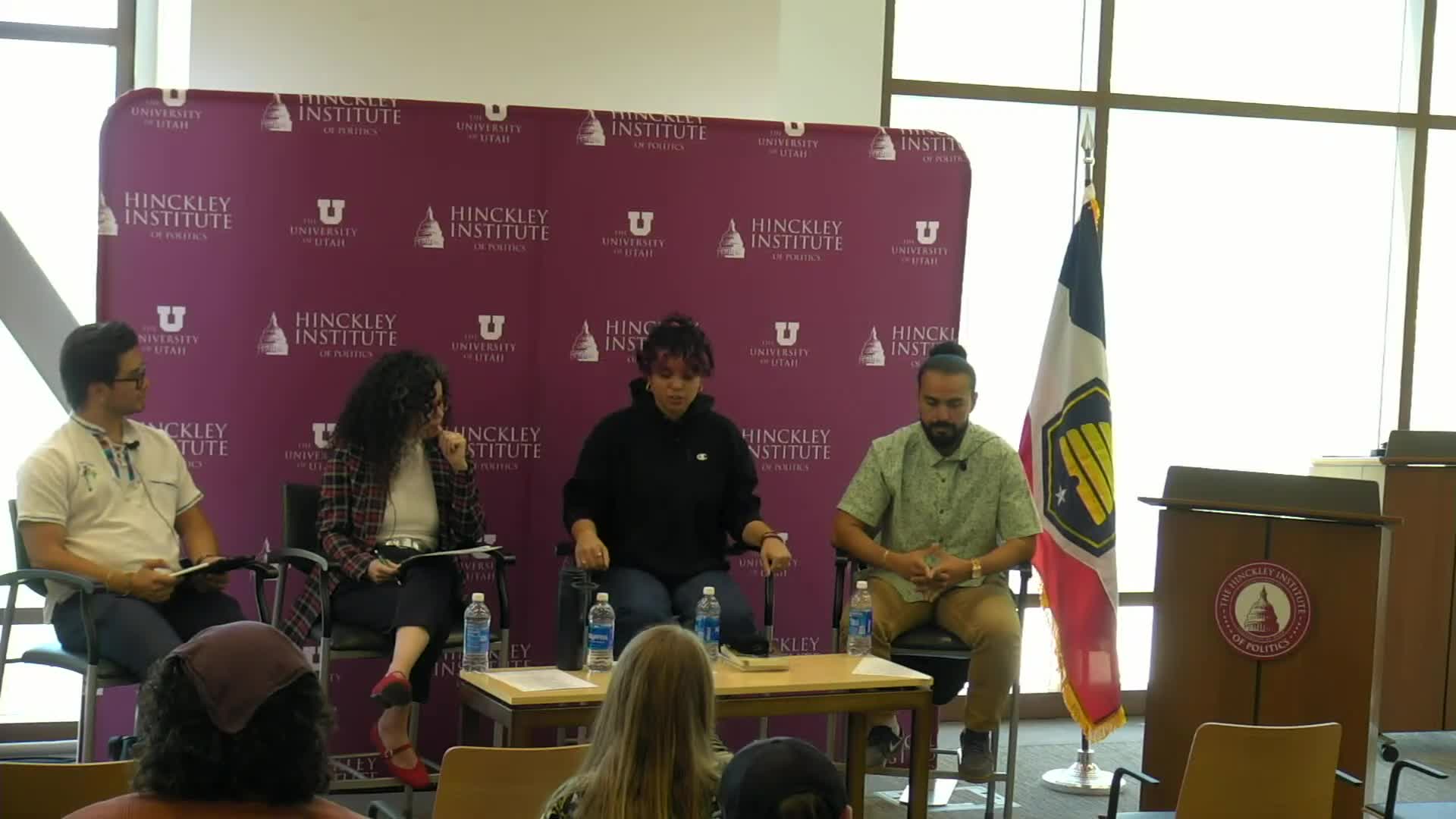
Summary
Speakers who identify as multiracial or Afro‑Latine described the emotional and practical work of reconciling colonization, religion and language loss, and offered advice for younger people about identity and self‑acceptance.
Panelists reflected on how migration, colonization and regional U.S. histories shape Latine identity and the work required to reclaim suppressed cultural practices. Why it matters: panelists connected identity work to mental wellbeing and community health, and they urged younger people to reject simplistic boxes and embrace hybrid identities. Several speakers described stages of identity formation tied to geography and schooling. One panelist said that growing up where “everybody looked like me” felt different from attending a predominantly white institution, where experiences of name‑calling and unwanted touching of hair prompted identity reevaluation. Speakers described colorism, anti‑Blackness within Latinidad and the erasure of indigenous practices as ongoing issues that families must confront. A panelist who identifies as Dominican and Mexican described being raised Catholic but later reclaiming indigenous practices and ancestral rituals such as the ampitil; she said that bridging religious and indigenous traditions has been part of her work to restore family practices. The panelists encouraged younger people to resist the pressure to be a family’s sole “savior” and to accept that identity evolves over a lifetime. One piece of advice offered was: “You don't have to fit into a box because those boxes are fake,” a panelist said, adding that culture and identity are lifelong learning processes. Panelists recommended practices for reclaiming identity: reading Latine authors (Sandra Cisneros, Gloria Anzaldúa), participating in cultural arts such as folklórico and Aztec dance, and connecting to community groups (for example, local Latine climbing and social groups). They also emphasized small, concrete actions — teaching younger family members hair care, cooking, and language — as ways to restore cultural knowledge and affirm identity.