
Panelists at University of Utah stress passing language, food and education as core Latine traditions
Get AI-powered insights, summaries, and transcripts
Subscribe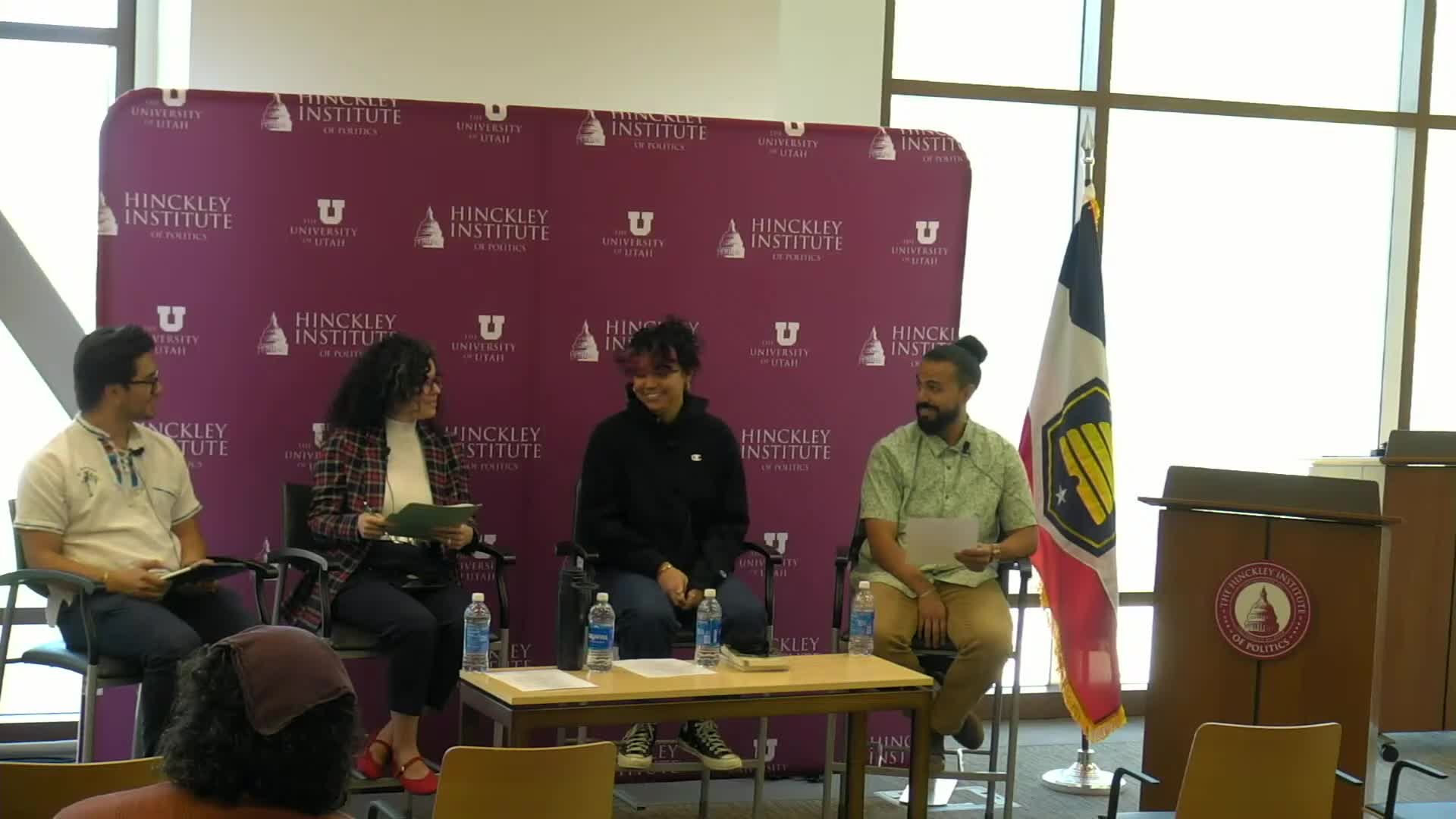
Summary
At a University of Utah panel for Latine Heritage Month, speakers described how family rituals, language and food transmit culture across generations and urged younger people to preserve those practices while adapting to new contexts.
A University of Utah panel held as part of Latine Heritage Month emphasized that education, language and food are central means by which families transmit culture across generations. Moderator David Leon opened the session noting the month runs from Sept. 15 to Oct. 15 and said the theme that year is “collective heritage.” Panelists described specific family practices they hope to pass to younger relatives and gave examples of how those practices change in new places. The discussion was framed as personal experience rather than institutional positions of the university. Why it matters: panelists tied everyday practices — from family mealtimes to retaining a mother tongue — to cultural survival and wellbeing for first-generation and immigrant families. They said these practices shape identity and resilience in new communities. Panelists described several recurring traditions. They said education was often held up as a primary family value: one panelist recalled ancestors who were readers and scholars and described that legacy as a “thirst for knowledge” the family continues to honor. Food and shared meals were described repeatedly as a ‘‘love language’’ and as a practical way of preserving recipes and cooking methods passed down from older generations. One panelist traced the work behind traditional food preparation — planting, harvesting, grinding corn and making masa — as an intergenerational practice that ties people to ancestral knowledge. Panelists also discussed language and names as cultural anchors. Cristian Gutierrez, who introduced himself during the panel and described his own path from an undocumented student to a mental-health professional, said, “My name is Cristian,” and urged people to try to pronounce names correctly as a form of respect and cultural recognition. He said adopting the preferred pronunciation in public and professional settings was part of reclaiming identity. The group also described religious and healing practices transmitted within families. Dr. Leandra Hernandez, an associate professor and director of graduate studies in the Department of Communication at the University of Utah, said she grew up with a family curandera and described traditional healing as another form of cultural knowledge passed between generations. Panelists who identify as multiracial or Afro-Latine discussed how family teachings can help younger people navigate mixed identities. One panelist said she learned to care for her curly hair and now teaches those skills to younger cousins as part of preserving Afro-Latina pride and personal care knowledge. The panelists noted that traditions can change with migration and across U.S. regions; they gave examples from Texas, Utah and El Salvador of how cooking, language use and holiday observances shift as families assimilate or adapt. The panel included questions from the audience about how to intentionally pass traditions to future generations; speakers recommended storytelling, teaching practical skills (cooking, hair care, language) and deliberately creating family rituals such as a New Year’s gathering described by one Salvadoran participant as rooted in a custom from Chalatenango, El Salvador. The session closed with a call to recognize that cultural transmission is an active responsibility, particularly for elder siblings or the first in a family to gain higher education, and to make space for younger family members to learn and carry traditions forward.