
Witnesses press for apprenticeships, community college partnerships and regional fusion hubs
Get AI-powered insights, summaries, and transcripts
Subscribe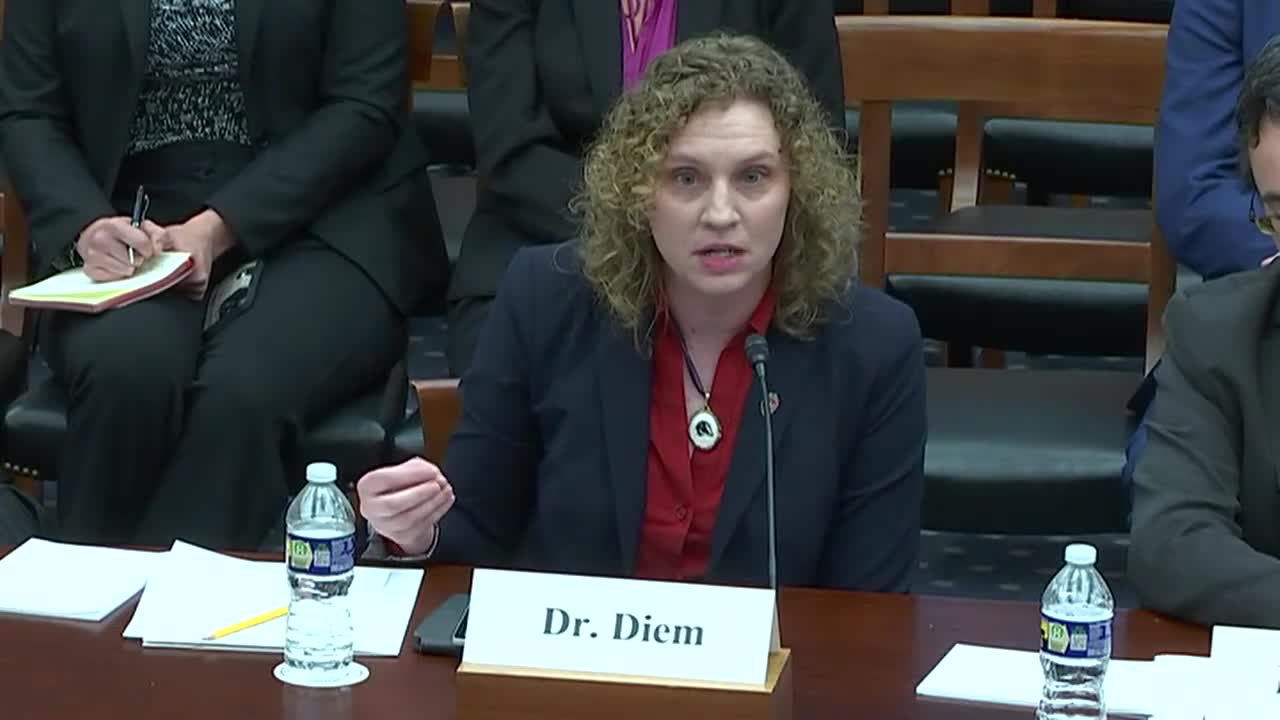
Summary
University, national‑lab and company witnesses said workforce shortages — not just PhDs — are a bottleneck for fusion commercialization and urged apprenticeships, community college partnerships and regional hubs to scale skilled trades and manufacturing capacity.
University and industry witnesses told the House Science Subcommittee that workforce shortages for technical and manufacturing roles threaten fusion commercialization timelines. "The challenge is not simply producing more PhDs, but building a robust skilled trades workforce," said Chairman Weber in his opening. Dr. Stephanie Diem, assistant professor at the University of Wisconsin–Madison, described her lab's difficulty filling technician positions and recommended expanding apprenticeship programs that partner universities, community colleges and national labs. "Princeton Plasma Physics Laboratory started an apprenticeship program with a community college where the only requirements were being 18 and having a high school diploma or GED," Diem said, calling it a model to scale regionally.
Industry witnesses supported that view. Will Regan urged broader training for mechanical and electrical technicians, welders and other trades, and praised a recently introduced workforce bill: "We need to grow our workforce, not just fusion scientists, but mechanical and electrical engineers, technicians, welders, and many others."
On regional hubs: witnesses proposed regional, federally supported hubs — likened to hydrogen or CHIPS tech hubs — that would concentrate manufacturing, test stands and workforce training. Diem and Troy Carter said hubs could coordinate community colleges, universities, national labs and industry to build supply chains and training pipelines. Carter described university‑lab partnerships and recommended faculty engagement and internships as keys to durable relationships.
No legislative action was taken at the hearing; members expressed bipartisan interest in workforce measures and existing bills were cited as starting points.