
Champaign County board tables decision on Mahomet Solar project after hours of public opposition and developer concession
Get AI-powered insights, summaries, and transcripts
Subscribe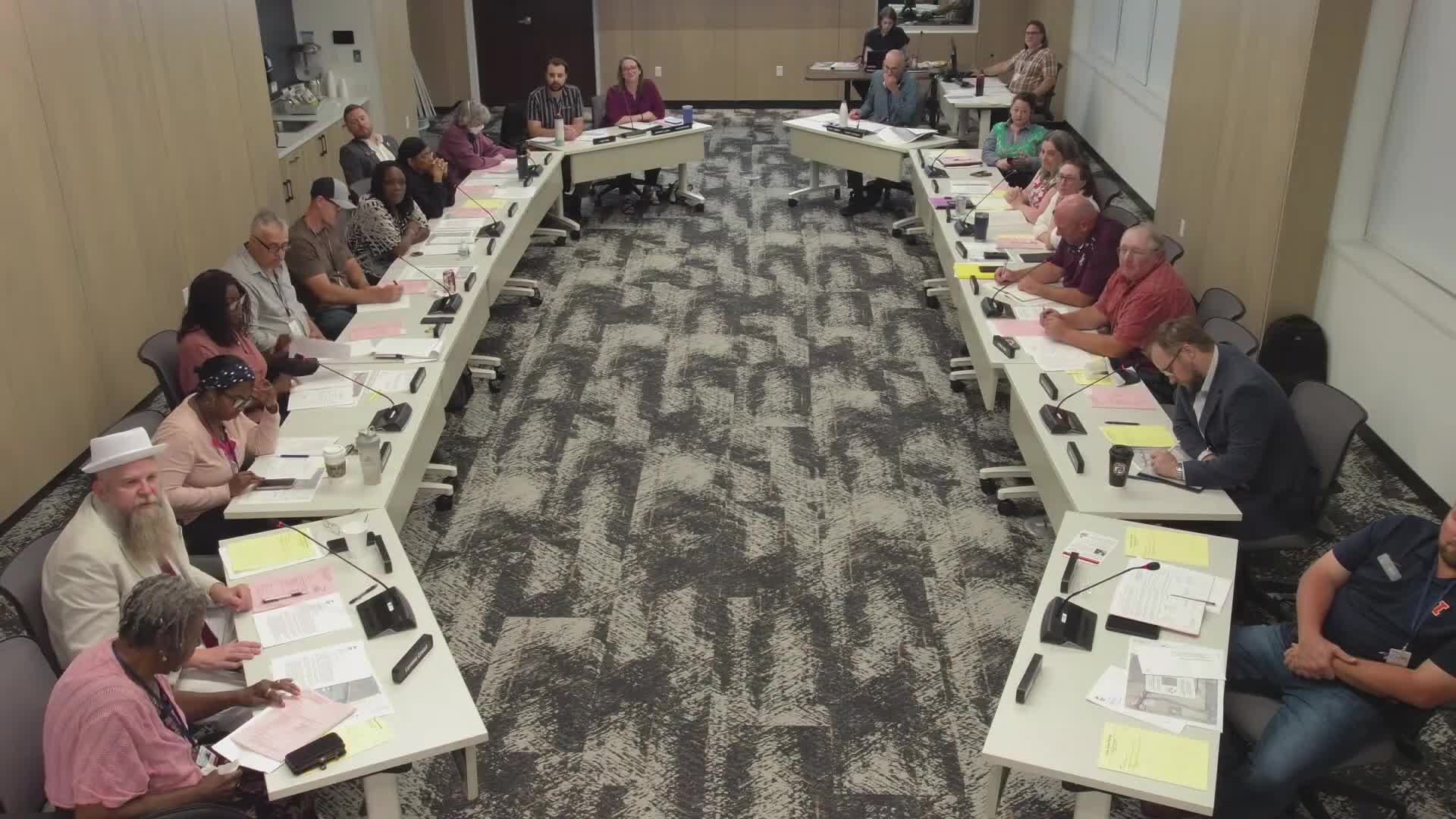
Summary
Following more than an hour of public comment, the Champaign County Board on Sept. 18 voted to table action on a special-use application and related waiver requests for the 4.99-megawatt Mahomet Solar project after the developer offered to replace a proposed surety with a full cash escrow.
The Champaign County Board on Thursday tabled action on Ordinance 2025-11, a special-use application for Mahomet Illinois Solar 1 LLC, after residents, neighborhood groups and the project developer sparred over location, environmental safeguards and legal threats. Board members voted to postpone final action until the Oct. 23 full board meeting to allow more time for review and community outreach.
The item drew sustained public comment from residents of the nearby Spring Lake subdivision and Briarfield Acres, who argued the 36-acre, 4.99-megawatt project would harm local views, property values, safety and the Mahomet aquifer. Linda Hamilton, a Mahomet resident, said the project would “undoubtedly alter the natural habitat and the appearance of our community,” calling out concerns about wetlands, birds and tree removal. Several other speakers — including Debbie Bunch, Nick Taylor, Mike Murphy and Alexis Godby — urged the board to deny waiver requests and block the project’s siting near homes and Spring Lake.
The developer, represented at the meeting by Bridgette Callahan of Mahomet Illinois Solar 1 LLC and Summit Ridge Energy colleagues, described design and mitigation measures and offered a substantive amendment during the meeting. Callahan said the project encompasses roughly 36 acres south of U.S. Highway 150 and east of Spring Lake Road and would be about 4.99 MW, a size she said could power roughly 1,200 homes. She said the project would increase property-tax revenue for the county and produce short-term construction jobs.
Addressing multiple community concerns, Summit Ridge amended its application on the record to replace a requested surety or letter-of-credit with “a cash escrow account in an amount equal to 100% of the decommissioning estimate and an escrow agreement agreeable to both parties” as a condition prior to issuance of a zoning permit. That amendment was announced from the podium during public comment.
Engineers and counsel for the applicant outlined technical safeguards. Dale Johnson, a civil engineer for Summit Ridge, said arrays would use steel piles driven roughly 10 to 15 feet into the ground with no concrete foundations, and that the plan includes gravel access roads, native prairie/perennial cover intended to reduce runoff and best-management practices such as silt fencing and rock construction entrances for erosion control. He said piles within 4 feet of drainage tile locations would be relocated and any damaged tiles would be repaired. Kyle Hawkinson, Summit Ridge’s director of project management, said the project would use American-made modules produced at a newly built Hanwha Q Cells facility in Cartersville, Georgia, and that the modules comply with the RoHS restriction on hazardous substances.
Opponents raised multiple technical and site‑specific concerns. Alexis Godby said the site slopes toward Spring Lake and is about 65 feet from an active railroad where a train recently derailed; she asked whether the developer would be contractually bound to pay for lake dredging if the project increased sedimentation. Several speakers raised questions about the developer’s community outreach, saying officials had acknowledged they had not held a dedicated local public meeting and had deliberately limited outreach because they expected opposition. Mike Murphy, president of the Mahomet Spring Lake Association, said the group of 73 members was overwhelmingly opposed and urged the board to protect the 32-acre lake.
The project has been through three Zoning Board of Appeals hearings and an Environmental Land Use Committee (ELOC) hearing. Ben Jacoby, the applicant’s attorney, told the board the ZBA majority had found that the proposal met the county’s ordinance standards for special use and the requested waivers; he also cited state siting law as “the elephant in the room” while urging the board to rely on the ZBA’s findings. Jacoby said the parcels’ setbacks to the nearest house would be about 417 feet to the panels and that a two‑row vegetative screen plus an opaque wooden fence had been offered for visual screening.
Board members debated an initial motion to deny the ordinance and an amendment to the denial that would have substituted the surety with the cash‑escrow language proposed by the applicant. After discussion, a motion to table the item to the Oct. 23 meeting carried on a roll call vote, giving the board additional time to review the company’s revised offer, collect legal advice and allow newly seated county board members to review the record.
No final land‑use approval or denial was recorded on Sept. 18; the board’s tabling preserves the status quo while staff, the applicant and board members prepare for additional review and possible conditions prior to a subsequent vote.
Residents and the applicant agreed on at least one point publicly: further engagement and additional documentation. Summit Ridge representatives acknowledged they should have held a dedicated community meeting and said they would undertake additional outreach. Several residents urged the board to require enforceable, written assurances — about decommissioning funding, local hiring, erosion control, and liability for lake dredging or emergency‑access impacts — if the project proceeds.
The board did not adopt zoning changes or approve the special use at the Sept. 18 meeting; the item remains on the board’s docket for Oct. 23. Supporters and opponents alike said they intended to continue engagement before that date.