Get Full Government Meeting Transcripts, Videos, & Alerts Forever!
Get email alerts on the Lift Assist Policy topic
No spam. Unsubscribe anytime.
Board moves to review lift-assist policy after 64 calls in August
Summary
Board members discussed tightening the lift-assist policy, billing thresholds and comm center call categorization after 64 lift-assist calls in August; staff were asked to draft recommended language and coordinate with the comm center.
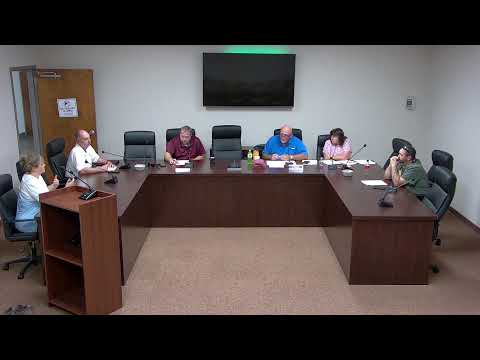
At the Sept. 18 Analyst Authority meeting board members reopened a discussion of the lift-assist/public-assist policy after staff reported 64 lift-assist calls in August and anecdotal evidence of repeat, non-emergency calls. Why it matters: repeated non-emergency lift-assist calls can tie up ambulances and reduce availability for true emergencies, board members said. Board member Dr. Teal and others recalled a prior policy that included a fee for repeat non-emergency lift assists but said they were unsure whether that policy had been implemented or enforced. Board members said the previous policy was "generous" and may have lacked sufficient enforcement. Discussion points included changing the enforcement window from three months to one month to make tracking and billing easier, generating automated threshold notices when a caller reaches the threshold, and clarifying whether an ambulance is the appropriate responder for non-injury assists. Staff discussed alternatives: fire, law enforcement or other community services could respond when appropriate, but that would require comm center coordination. Board members asked the comm center to produce call-type reports that separate true falls from public-assist/lift-assist calls and agreed a CAD data change (updating a call from "fall" to "public assist" after on-scene assessment) would improve reporting. Several members noted that some calls initially coded as falls are later documented as simple assists and should be recoded so reports are accurate. Direction: the board asked Director Paul and operations lead Michael to draft recommended policy language (including suggested billing thresholds, notice language and an enforcement mechanism) and to coordinate with the comm center and the comm-center director (Harper) to change call handling and reporting; the item will be returned to the board next month for action. Ending: Board members emphasized that any new policy must include procedures for notifying callers, a mechanism to bill when thresholds are exceeded, and comm center coding changes so the authority can measure and enforce the policy.