
Residents press commission to adopt a "safe haven" resolution to protect LGBTQ+ people; city law review underway
Get AI-powered insights, summaries, and transcripts
Subscribe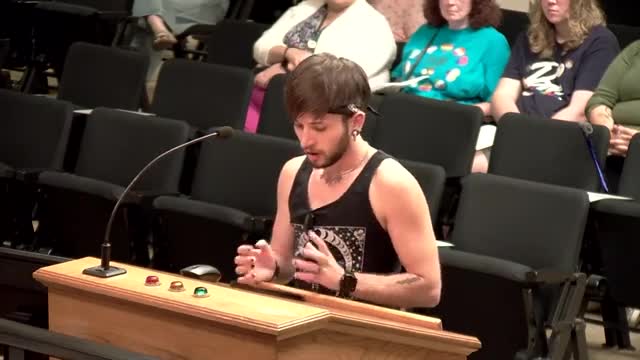
Summary
Multiple residents and advocacy groups urged the Dayton City Commission to adopt a safe‑haven resolution protecting LGBTQ+ residents from enforcement of recent state bills; commissioners said the proposal is under legal review and staff will continue work toward model legislation.
Seventeen speakers and several advocacy organizations urged the Dayton City Commission on Sept. 10 to adopt a Safe Haven resolution declaring Dayton a welcoming city and directing the city to avoid using municipal resources to enforce recent state measures affecting transgender and LGBTQ+ residents.
Why it matters: Supporters said a locally adopted resolution would clarify law‑enforcement priorities, protect medical and student privacy, signal workplace and cultural inclusivity, and reduce chilling effects on access to gender‑affirming care and city services.
Speakers included Sabre Cross, who described needing visible safety markers in businesses and public spaces; Rick Flynn, executive director of the Greater Dayton LGBT Center, who urged the commission to “pass the safe haven resolution” and said it would direct Dayton not to investigate or facilitate enforcement of House Bill 68, Senate Bill 104 and House Bill 8 to the fullest lawful extent; and Elizabeth Hudson, attorney with Advocates for Basic Legal Equality, who represented the Dayton Q+ Collective and said the coalition had provided model language and sought prompt action after prior testimony.
Testimony referenced past local steps: Dayton added gender identity and sexual orientation protections to its anti‑discrimination ordinance in 2007 and banned conversion therapy in 2017, points several speakers cited as precedent for additional action. Speakers from different community groups described the resolution as a minimal but necessary step; some asked for rapid adoption and establishment of advisory mechanisms similar to those in Columbus and Cincinnati.
Commission response: Commissioner Turner (Turner Sloss in transcript) and Commissioner Fairchild acknowledged community testimony and said the matter is in legal review. Commissioner Turner asked that staff and the law department communicate directly with proponents; Commissioner Fairchild urged law‑department communication with Elizabeth Hudson and said commissioners had charged the city manager to direct staff to review anti‑discrimination ordinances and proposed models from other jurisdictions. No formal vote on a resolution occurred at the Sept. 10 meeting.
Next steps: Law department review and follow‑up communication between staff and the Dayton Q+ Collective were requested; proponents asked for the resolution to be scheduled for commission consideration once legal review is complete.