
Treasurer explains tax‑sale process as board approves assignment of tax‑sale certificate
Get AI-powered insights, summaries, and transcripts
Subscribe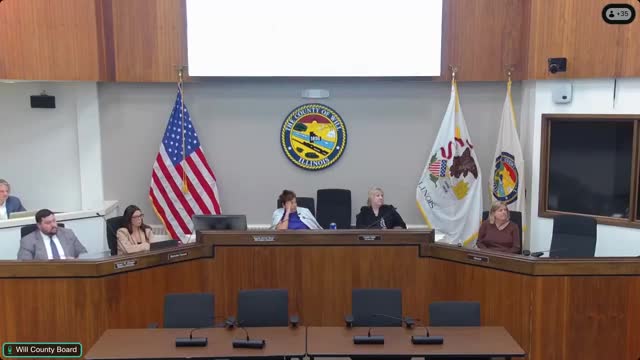
Summary
Will County board approved an assignment of a tax‑sale certificate and finance committee members received a detailed explanation of how tax sales work, how many taxpayers become delinquent and how lienholders and tax buyers interact with the process.
The Will County Board on Sept. 18 approved an assignment of a tax‑sale certificate as part of the finance consent agenda, and county officials used the item to explain how the tax‑sale process works and who is affected.
Member Berkowitz asked for public explanation during the finance discussion after the assignment item was pulled for separate consideration. A county official identified in the meeting as the treasurer described the routine flow: about 98% of taxpayers pay on schedule, the county issues roughly 10,000 delinquent notices annually, and around 3,000 parcels remain unpaid when the tax‑sale process proceeds. Tax buyers — private purchasers who pay outstanding taxes — generally purchase delinquent tax certificates; after three years of continued nonpayment on residential parcels, the tax buyer may pursue a court process to obtain the deed.
“Every year, about 98% of taxpayers pay their taxes on time,” the treasurer said. “We send out about 10,000 delinquent notices a year… and then usually around 3,000 parcels still go unpaid and those 3,000 parcels are paid by tax buyers.”
The treasurer explained that mortgage lenders and other lienholders often step in to protect their interests by paying delinquent taxes prior to the tax sale. That reduces the number of properties that proceed to deed actions. The treasurer also said Illinois currently does not require automatic return of any home equity to the original owner after a tax‑sale deed is issued; some states have statutory limits that protect homeowner equity, but in Illinois the remedy would be through litigation unless the legislature changes state law.
Members used the discussion to identify a possible policy area for the county to pursue at the state level. Member O’Gala asked whether the county could request legislative change to limit the equity a tax buyer can capture; county leadership said the issue could be placed on the legislative committee agenda for follow‑up.
The assignment of the tax‑sale certificate before the board was part of the annual tax‑sale process handled through the county’s trustee for tax sales and was approved as presented on the consent agenda.