Get Full Government Meeting Transcripts, Videos, & Alerts Forever!
Get email alerts on the Consumer Costs Auto Rental topic
No spam. Unsubscribe anytime.
Senate amends law to make rental cars cheaper by shifting primary liability to insured drivers
Summary
Senators adopted an amendment and passed S.2603 to let insured renters use their own auto coverage as primary financial responsibility, a change supporters said will reduce rental rates in Massachusetts, an outlier state on the issue.
The Massachusetts Senate on Thursday approved S.2603, titled "An act relative to affordable car rentals," moving the state toward the insurance practice used in most other states that makes a renter's personal auto insurance primary for damage they cause while driving a rental vehicle.
Senator Julian Cyr (D-Cape and Islands) urged colleagues to support the bill and framed it as a consumer-cost measure. "This legislation brings us in line with the majority of states by saying that if you're insured and you cause an accident in a car you rented, you should be responsible for the damages," Cyr said, adding that Massachusetts and South Carolina are the only states (along with the District of Columbia) that require rental companies to provide primary financial responsibility.
Cyr told the chamber that rental prices in Massachusetts had risen by about 15 to 20% since June, citing federal tariffs on imported vehicles and a state insurance requirement that he said adds cost to rental rates. He said the bill would remove a duplication of coverage for insured drivers and help lower rental prices for families and visitors — an issue he said matters to the Cape and Islands' tourism economy.
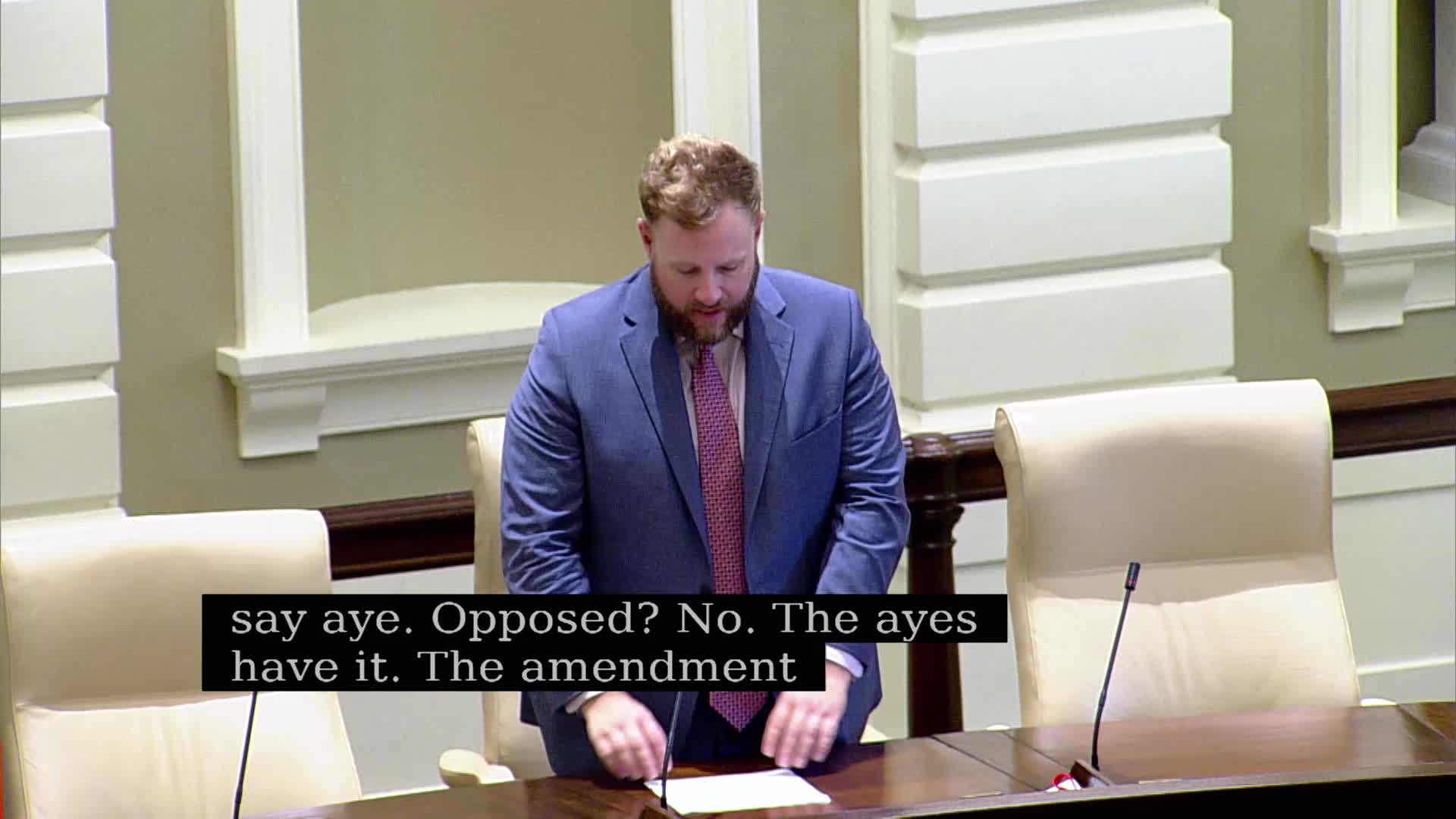
Senator Michael J. Rodricks offered and the chamber adopted an amendment that revised sections 1A and 1B of the bill before senators voted to pass the measure. The clerk ordered a roll-call vote after a request for the yeas and nays; the chair announced that 39 members voted in the affirmative and none in the negative during the recorded vote to pass the bill to be engrossed.
Why it matters: Supporters described S.2603 as a straightforward consumer-relief measure that would align Massachusetts with the insurance treatment used nationwide and reduce duplication of coverage costs baked into rental rates.
What happens next: The bill was passed to be engrossed and will be sent to the governor for his or her consideration under the Legislature's regular enactment process.
Attribution note: Quotations and factual attributions in this article are drawn from remarks by Senator Julian Cyr and procedural statements recorded on the Senate floor.