JLCB approves emergency PBM contracts; OGB says transparency, independent PBM model will follow
Loading...
Summary
The Joint Legislative Committee on the Budget approved emergency contract extensions for pharmacy benefit management services for calendar year 2026 and discussed a shift to a more transparent, partially independent PBM model intended to protect independent pharmacies and surface rebate data.
The Joint Legislative Committee on the Budget on Thursday approved emergency pharmacy benefit management (PBM) contracts for calendar year 2026, accepting a pair of split contracts that the Office of Group Benefits (OGB) says will improve transparency and preserve network access for independent Louisiana pharmacies.
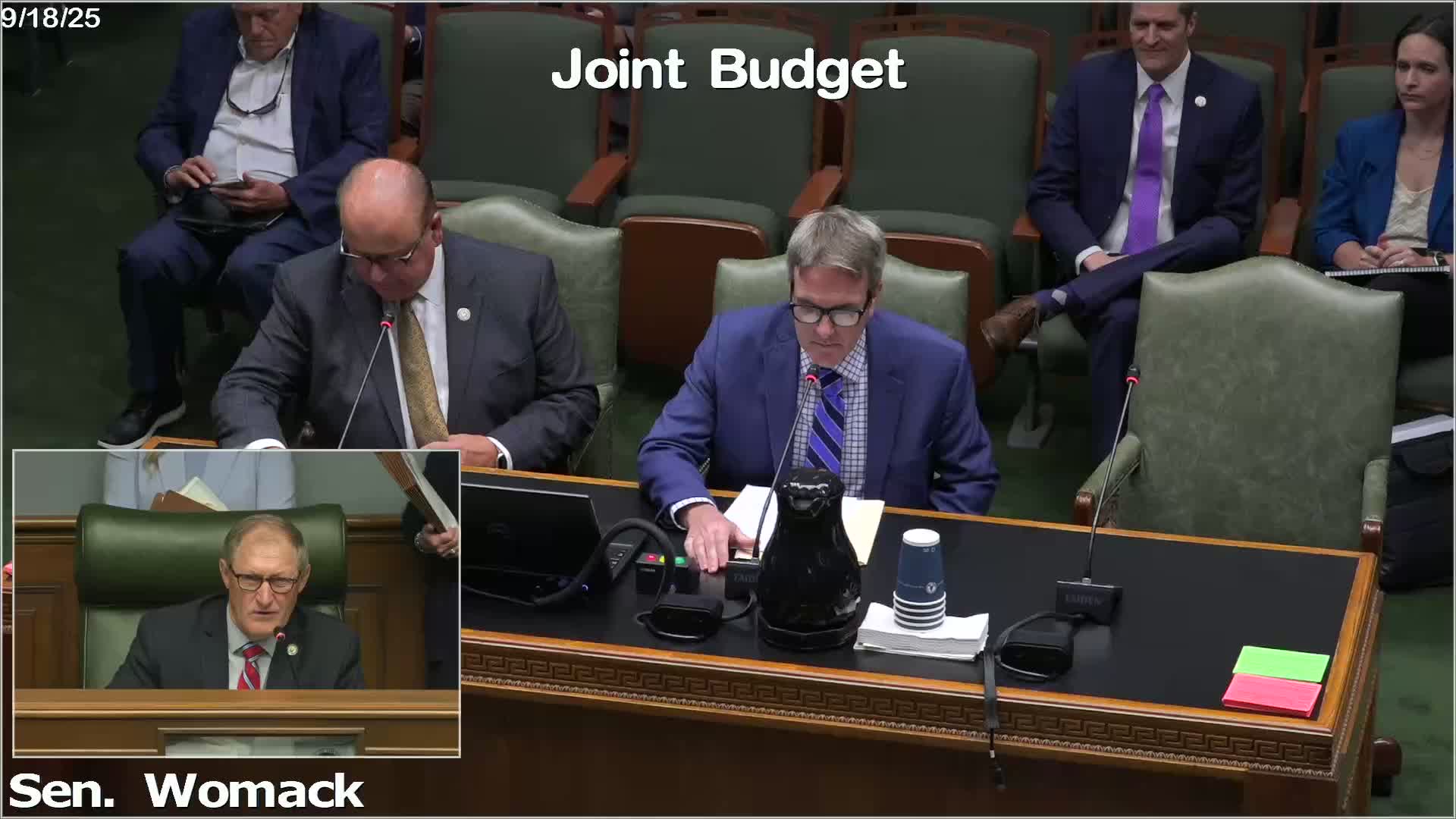
OGB officer Heath Williams told the committee the office rescinded a previously issued RFP and pursued emergency contracts after procurement-law changes and legislative debate about vertically integrated PBMs made a single long-term award impractical. “We rescind that RFP, let the market settle,” Williams said during the committee meeting, explaining why OGB sought emergency contracts and a split approach for active employees and retirees.
The committee accepted emergency contracts that place benefits for active employees with an independent PBM partner (LaVinity LLC, with a 1-year emergency contract and option) and retain a Part D administrator for the retiree population (SilverScript/SilverScripts Insurance Company). Senator Cloud moved approval of the three items labeled 12(a)–(c); the motion carried.
Why it matters: PBMs manage prescription drug claims, rebates and networks; how they contract and report rebates affects plan cost and which pharmacies are most viable. Committee members said they wanted assurances that rebates and discounts would be fully passed to the OGB fund and that independent pharmacists would not be disadvantaged by any network steering.
What was discussed: Williams said OGB solicited reprices from six PBMs, then evaluated three competitive responses and ultimately determined a split contract was the most viable path. He described the commercial (active employee) and retiree (Part D) markets as materially different and said combining both populations into one vendor resulted in prohibitive cost projections.
“We're not gonna save money for moving from 1 PBM to the other. I don't care what anybody tells you. It's not gonna happen,” Williams told the committee, noting drug-price inflation and rising utilization of high-cost specialty medicines. Williams said programs the chosen vendors offered could generate $12–15 million in measurable savings or at-risk guarantees, and that LaVinity had proposed an $11 dispensing fee for Louisiana independent pharmacies (up from $9 under current arrangements) to improve retail viability.
OGB said rebate and discount transparency will be contractually required and that rebates will be passed through to OGB. Williams said, “Everything comes to us, full pass through.” Committee members asked for reporting and monitoring mechanisms; Williams and OGB staff said they would provide program-level transparency and real‑time pharmacy auditing for transactions.
Retiree protections: Because the Medicare Part D market is federally regulated and CMS controls formulary and other program elements, OGB proposed leaving the retiree (Part D) population with the incumbent Part D administrator to avoid disruption; that contract will be extended for the year. Williams said this approach avoids a change in retiree access while giving OGB time to implement the commercial (active) plan transition.
Concerns and oversight: Senators and representatives pressed OGB to guard against conflicts of interest, to prohibit indirect compensation from PBMs to consultants, and to ensure implementation will not disrupt patient access. Senator Cloud requested and reviewed contract language that prohibits contingent fees, commission payments and other relationships that could create conflict; Heath Williams and OGB leadership said the relevant procurement documents include such prohibitions for major contracts.
Next steps and monitoring: The committee approved the emergency contracts and asked OGB to deliver implementation updates and transparent rebate/discount reporting. OGB said it will continue work on IT interfaces, data transfers and implementation plans and will provide the committee regular updates and compliance reporting as transitions proceed.
Ending: The committee accepted OGB’s emergency approach and authorized the contract extensions, while lawmakers signaled they expect regular, detail-level reporting on rebate pass-throughs, dispensing fees, network adequacy and any implementation problems that could affect patient access.