Get Full Government Meeting Transcripts, Videos, & Alerts Forever!
Get email alerts on the Recycling Contamination And Plastic Bag Study topic
No spam. Unsubscribe anytime.
Environmental Sustainability Board weighs recycling contamination, plastic-bag outreach and timing of waste audit
Summary
Board members discussed an informal recycling audit, a 17% contamination rate reported by county staff, potential $46/ton disposal costs and plans for a focused outreach and data collection effort to inform council; the board agreed to present initial findings to county council in October and continue analysis after a formal waste audit.
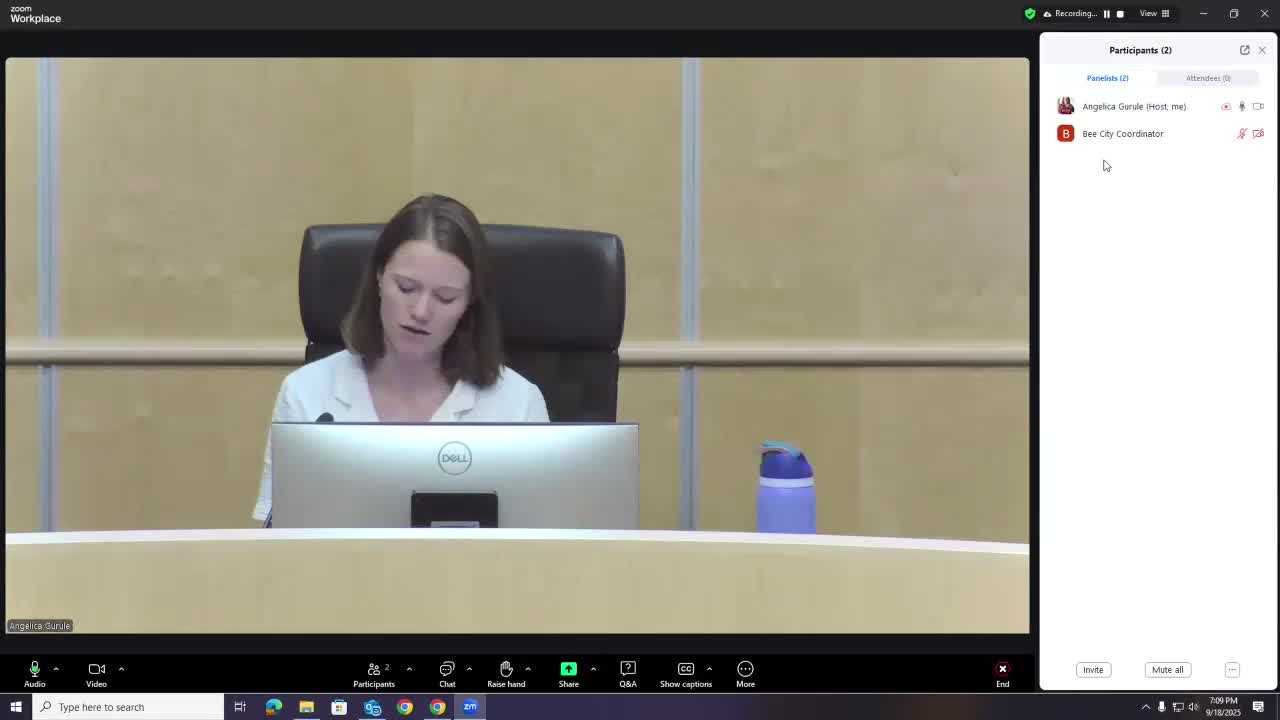
The Los Alamos County Environmental Sustainability Board discussed recycling contamination, an informal survey tied to Cleanup Los Alamos Day and an upcoming formal waste audit at its Sept. 18 meeting, and agreed to provide an initial update to county council before completing a formal recommendation. Angelica Gurule, the county sustainability staff liaison, reported that current household recycling contamination is about 17 percent and that disposal charges are roughly $46 per ton; board members said they want more data before recommending policy changes.
“We also confirmed that weʼre still at about a 17% contamination in our recycling stream, which is what Angelica said,” a board member summarized during the meeting. Staff told the board an Eco Station waste audit is being planned and that a more detailed audit is likely to occur no earlier than Thanksgiving; an informal survey from Cleanup Los Alamos Day will provide interim information.
Board members discussed education and operational steps that could reduce contamination, including clearer guidance on cardboard disposal and better signage or outreach about designated cardboard drop-off points at the Eco Station, the White Rock fire station and the transfer station. Angelica Gurule noted the county receives greater revenue for cardboard processed separately and that overfilling curbside bins with cardboard makes collection more difficult. The board identified cardboard education and a community survey as near-term, low‑cost actions.
The board also discussed whether to present preliminary findings in the Environmental Sustainability Board annual update to county council (the update is scheduled for Oct. 21 or 30 in the meeting record) or to wait for the formal waste-audit results. Members agreed to include a preliminary plastic-bag/recycling update in the ESB annual report and to follow up with a fuller presentation after the formal audit and the transfer-station data arrive.
Board members and staff noted that the countyʼs recycling contamination rate (about 17%) is below the national average cited by some sources (roughly 25%), but that local circumstances and the absence of a recent comprehensive audit limit precise conclusions. The countyʼs environmental services staff (represented in the discussion by references to Josh and Armando) indicated that conducting a formal waste audit requires significant staff time and temporary facility changes, which is why scheduling and scope must be coordinated.
Next steps the board recorded include compiling results from the Cleanup Los Alamos Day informal survey, working with county staff to get the formal waste-audit results when available and preparing a short plastic-bag/recycling briefing for county council in October with a fuller report to follow in November if the audit completes by Thanksgiving. The board also discussed possible public‑education messaging on cardboard reuse and drop-off practices to reduce contamination and conserve processing revenue.