Get Full Government Meeting Transcripts, Videos, & Alerts Forever!
Get email alerts on the Transportation Safety topic
No spam. Unsubscribe anytime.
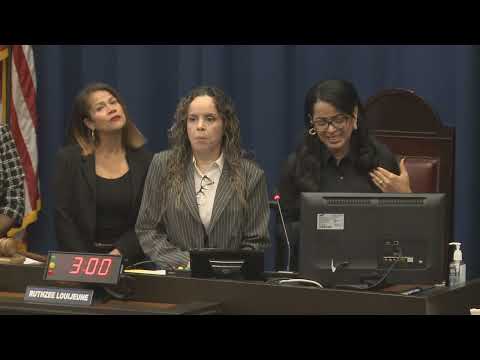
Boston council debates tighter rules for delivery mopeds and e-bikes after collisions
Summary
Boston City Councilors debated an ordinance on Sept. 23 that would expand rules for third‑party delivery providers after a series of collisions and complaints about reckless operation of mopeds and e‑bikes in downtown and residential neighborhoods.
Boston City Councilors debated an ordinance on Sept. 23 that would expand rules for third‑party delivery providers after a series of collisions and complaints about reckless operation of mopeds and e‑bikes in downtown and residential neighborhoods. Councilor Ed Flynn, the ordinance’s lead sponsor, said the measure is intended to make streets safer for pedestrians and other road users.
“I'm not going to sit back and do nothing,” Councilor Ed Flynn said, describing repeated calls from residents about delivery vehicles “driv[ing] recklessly across the city” and passengers and pedestrians being struck.
The discussion focused on whether the city should move beyond the enforcement and permit framework the council approved in April and consider stricter measures — including limits on certain two‑wheel vehicles. Councilor Ricardo P. Santana opposed a broad ban, saying it would “jeopardize the livelihoods of 33% of DoorDash and other food delivery drivers in Boston who use two‑wheel vehicles,” and urged education, multilingual outreach and partnerships with delivery companies instead. Councilor Enrique Pepin also said he would vote against an outright ban, calling for more registration, licensing and enforcement while noting the economic dependence many drivers have on those vehicles.
Supporters of stronger restrictions pointed to recent high‑profile collisions and urged decisive action. Flynn said earlier attempts to adopt an implementation fee to fund enforcement and mitigation failed to get the votes needed, and he argued the city cannot accept the current “Wild West” status on many streets. Councilor Durkin cautioned against changing or amending an ordinance that “is not yet implemented,” saying the council should allow existing measures to take effect before proposing further changes.
Several councilors pushed for alternative approaches during the debate, including mandatory insurance and licensing, data sharing, stepped‑up enforcement, and placing responsibility on the delivery platforms to fund training or registration programs. Councilor Kenzie (spoke in favor of corporate responsibility) suggested the city “invite the companies that are making money off the backs of those folks” to contribute resources for safety training and compliance.
No vote on the ordinance text occurred at the Sept. 23 meeting. The docket (Ordinance amending City of Boston Code, Ordinances Chapter 17‑22, Road Safety and Accountability for Delivery Providers) was referred to the Committee on Government Operations for further consideration.
The debate highlighted competing priorities: immediate pedestrian safety concerns and the economic impacts on predominantly low‑income and immigrant delivery drivers. Councilors repeatedly called for better data, clearer enforcement plans, and collaboration with state agencies where vehicle registration and licensing are involved.