Get Full Government Meeting Transcripts, Videos, & Alerts Forever!
Get email alerts on the Cannabis Dispensary topic
No spam. Unsubscribe anytime.
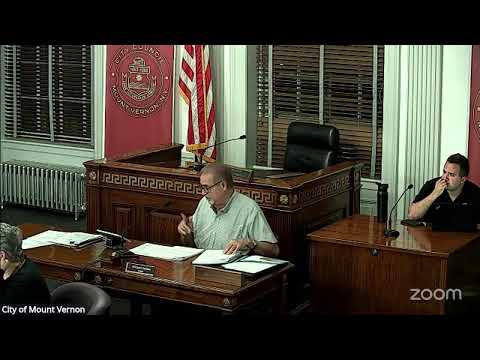
Zoning board adjourns decision on 127 South Terrace cannabis dispensary after parking, safety and permit questions
Summary
The Mount Vernon Zoning Board of Appeals postponed action on a request by a cannabis dispensary at 127 South Terrace Avenue after members and public commenters raised questions about parking calculations, proximity to a church and playground, outstanding fire-safety items and inconsistent application paperwork.
127 South Terrace Avenue — The Mount Vernon Zoning Board of Appeals on Sept. 16 did not decide whether to grant area variances for a proposed cannabis retail operation at 127 South Terrace Avenue, instead adjourning the item after extended public comment and requests for additional documentation. The board said it will resume the matter at a later meeting and asked the applicant to appear.
The board heard testimony from owner John Ruggiero and representatives including architect Joseph Fernandez and consultant Kevin Monene, and took extended public comment, including from resident and planning consultant Vincent Ferrendino, who urged the board to deny the request on legal and public‑safety grounds.
Why it matters: The application seeks to convert an existing commercial building into a cannabis retail dispensary and requests multiple variances — most prominently for parking and for reduced distances from a house of worship and a playground — in a case that touches on public safety, neighborhood character and the city's enforcement of local licensing and inspection requirements.
The application, as presented, requests variances for proximity to a house of worship (proposed 445 feet; requirement more than 500 feet — a 55‑foot shortfall, described in the file as an 11% variance), proximity of signage to a playground (proposed 270 feet; requirement more than 500 feet — a 230‑foot shortfall), and parking (the applicant presented nine on‑site spaces vs. staff analyses that used the city's retail parking chart and additional city review). The application packet and staff statements also show a shifting set of parking calculations: earlier analyses discussed larger parking totals (one draft cited 30 required spaces), while the city's plan examiner applied Mount Vernon’s retail parking table and counted 8–10 spaces depending on how the Second Floor is treated.
Board and public concerns focused on three categories: parking and curb access; safety/permits and inspections; and the accuracy of application materials. Resident and expert testimony emphasized that the retail cannabis use creates short, frequent visits that can affect curbside demand and that events or prolonged queuing outside the store could spill into neighborhood streets and playground areas. Longtime resident and planning consultant Vince Ferrendino told the board the dispensary had operated for almost two years with temporary or expired occupancy approvals and warned that fire‑safety and sprinkler issues remained open in city records. Ferrendino asked the board to see any pending state license renewal documentation before acting.
The applicant said the Second Floor is being used for storage, not active office use, and that the store has operated without documented parking complaints during two years of operation. Owner John Ruggiero told the board he believed the business had been allowed to open before local cannabis regulations were complete and that the operation has generated tax revenue for the city. Architect Joseph Fernandez and representative Kevin Monene said they will address technical comments, including Department of Public Works requests about curb cuts and construction details.
Staff reports and evidence: The public file includes a mix of building‑department inspection records and planning memos. Board staff noted a temporary certificate of occupancy had been issued previously and that building inspections had progressed while fire‑department items remained open in the permitting workflow. The record includes references to state and local regulatory materials: the board discussed the city’s recent cannabis zoning law (referred to in the file as "local law number 1‑2024" and amendments to chapter 267 of the city code) and SECRA citations that accompany the revised local rules.
Board action and next steps: The board voted to adjourn the hearing on this case rather than act. Chair Justino said the hearing should be continued with the applicant and his primary representative present and with certain documents supplied in advance. The board requested staff and the applicant provide: (1) a clear copy of the LLC operating/ownership documents that match the applicant name on the application; (2) a clear explanation and backup showing how prior parking estimates (including the 30‑space figure discussed earlier in the process) were calculated and how they differ from the city's current interpretation; (3) updated building and fire‑safety inspection records showing outstanding items and remedies (including strobe/notification equipment and sprinkler status); and (4) the applicant’s state licensing/renewal filing for the Office of Cannabis Management, if filed. The board set the matter to return at a future meeting and voted to adjourn the item unanimously.
Community comments and enforcement questions: Multiple residents and commenters raised operational concerns — early deliveries, dust and fencing during excavation, and unpermitted signs or fencing on the property. The board repeatedly told residents that code‑enforcement complaints belong with the building department, and staff provided a constituent‑services contact number for follow‑up. Several residents asked that the board consider the 500‑foot separation in a strict way; a planning consultant for neighbors argued the straight‑line measurement places the dispensary well within the 500‑foot threshold for at least one place of worship and the Grove Street playground.
The board’s decision to adjourn leaves the application open. The board asked the applicant to return with the requested documents and for staff to circulate the materials in advance of the resumed hearing.