Get Full Government Meeting Transcripts, Videos, & Alerts Forever!
Get email alerts on the Industrial Park Leases topic
No spam. Unsubscribe anytime.
Soda Springs council weighs standardizing industrial park leases, tightening nuisance enforcement
Summary
At a special meeting, council members discussed standardizing industrial park lease rates, options to spread increases over multiple years and steps to enforce lease provisions on dust, weeds and hazardous materials.
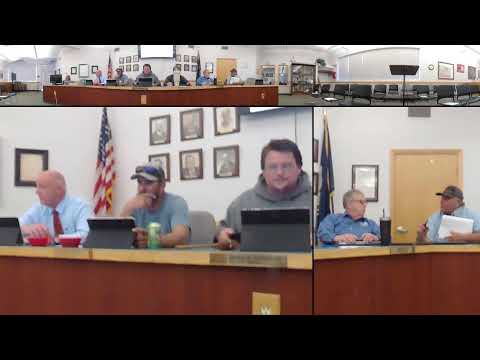
City council members discussed proposals to standardize lease rates and strengthen enforcement of industrial park lease terms during a special meeting.
Council members said the city currently calculates lease payments using assessed land values and applies a 3.5% cap rate established in 2020; those land values have not been adjusted frequently, producing wide disparities in per-acre rates across lots.
Why it matters: Council members said a reassessment could sharply raise lease payments for some tenants; standardizing rates or phasing increases would reduce the risk of suddenly large hikes for existing businesses.
Council discussion and options
“We're getting about $38,000 a year in lease revenue, and an at an average of about, $900 per acre,” said Speaker 2 during a review of the industrial park spreadsheet. Members pointed to a range of land values from roughly $10,000 to $42,000 per acre and a simple average of about $27,000 per acre. One council member noted an assessor formula that adds a highway frontage premium — “$100 an assessed value per foot of Highway” — created large differences between highway-front lots and interior lots.
Council members outlined two primary approaches: keep the current system tied to assessor values and the 3.5% cap rate, or normalize leases at a common dollar-per-acre rate (Speakers discussed $700–$900 per acre as examples). Members said either approach would create winners and losers — one example given: Caribou Field Archers would see rates triple under a $900/acre standard while other tenants would pay less.
Several council members favored gradual increases over time rather than a single large adjustment. “A reasonable percentage increase each year versus a very large increase all at once,” said Speaker 4, reflecting support for spreading changes over three to five years to reduce the burden on lessees.
Enforcement and nuisance control
Members flagged recurring concerns about dust, weed growth, abandoned equipment and other nuisances on leased lots. The lease form’s compliance clause (referencing federal, state and local laws and regulations) was cited as the basis for enforcement. “We just have to enforce it from the city side,” Speaker 1 said, urging staff to highlight sections of the lease to be enforced and to revise wording where needed.
Staff direction and next steps
Council asked staff to meet with current lessees as leases come up for renewal, send individualized reminder letters tied to lease terms, and return with standardized options and models. One member volunteered to model tiered or per-acre alternatives. Staff indicated they would prepare rate models and suggested spreading any adjustment over multiple years if council chooses to standardize.
The council did not take a final vote on rate changes at the meeting; members instructed staff to prepare specific proposals and to begin outreach to lessees ahead of renewals.