Get Full Government Meeting Transcripts, Videos, & Alerts Forever!
Get email alerts on the Public Engagement And Governance topic
No spam. Unsubscribe anytime.
Planning commission adopts new public-comment resolution; moves general comments to meeting end
Summary
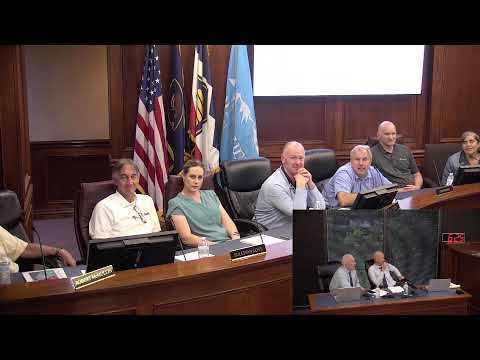
Utah County Planning Commission adopted Resolution 2025-01 on Sept. 16 to replace a 2013 resolution, moving general public comment to the end of meetings, clarifying notice channels and deadlines, and creating a process for exceptions by motion.
The Utah County Planning Commission adopted Resolution 2025-01 on Sept. 16 to replace a 2013 resolution that governed public comment and speaker procedures. The new resolution makes general public comment a period at the conclusion of the agenda for non–public-hearing items, clarifies notice channels and deadlines for written submissions, and establishes a process to allow an exception if the commission votes to hear a speaker during an agenda item.
Why it matters: The change aims to reduce procedural risk tied to accepting public comment during administrative items, to make meeting procedure more consistent with the county commission, and to standardize how the public is notified and how written materials are collected and distributed.
Key points of the adopted resolution: Staff explained the principal change: “period of general public comment should be held at the conclusion of the agenda,” a procedural shift intended to separate administrative deliberations from broad public comment. Under the new rules, public hearing items required by state law will continue to include a statutorily required hearing and separate sign-up sheets; non–public-hearing items (for example, many conditional-use reviews) will not have the same on-the-spot public-comment sign-up structure.
Notice and written submissions: The commission directed staff to bolster notice language. Staff said written comments and supporting materials submitted by 1 p.m. on the day of the meeting will be distributed to commissioners and included in the meeting packet; those materials can inform commissioners ahead of a vote. The resolution preserves the commission’s discretion to invite a member of the public to speak during an item if the commission first votes to allow that exception.
Amendment and vote: During the meeting commissioners proposed and accepted a friendly amendment to strengthen staff notice language and clarify how the public can provide comments ahead of meetings. The adoption motion and the amendment passed on a voice vote; the transcript records the motion carried but does not show a roll-call tally.
Context and concerns expressed: Several commissioners said the change would reduce the risk that administrative decisions appear influenced by late public comment and would streamline meetings; other commissioners expressed concern that adopting the change during an ongoing controversial matter could be perceived as limiting public input. Staff and commission members said the resolution still allows written submissions, and the commission retains the ability to hear public speakers by majority vote if a member moves to do so.
Ending: The commission directed staff to update agendas and notice language to make it clear which items will include a public hearing and which will not, and to include the new public-comment period at the end of non-hearing agendas going forward.