Get Full Government Meeting Transcripts, Videos, & Alerts Forever!
Get email alerts on the Economic Development Ethics topic
No spam. Unsubscribe anytime.
Residents and Community Groups Clash Over Elbit Systems Deal; Speakers Urge Both Economic Stability and Condemnation of Harassment
Summary
A string of public commenters addressed Charleston County Council about Elbit Systems and a related PILOT/fee‑in‑lieu arrangement, with some speakers urging protection of employees and condemnation of harassment, and others calling for the county to end tax breaks and the company’s presence because of alleged human rights concerns.
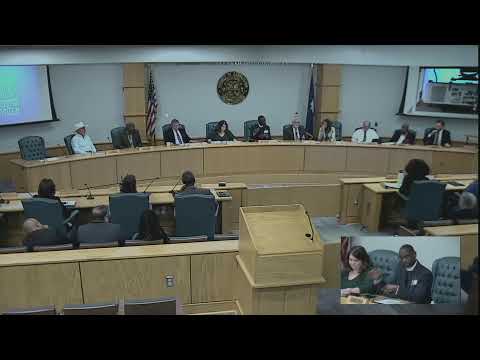
A lengthy public‑comment period at the Charleston County Council meeting focused on Elbit Systems and related county agreements, producing sharply divided views from residents, community groups and individuals.
Several speakers representing Jewish and business communities urged council to condemn harassment of Elbit employees and to protect job growth tied to defense contractors. Brandon Fish, director of community relations for the Charleston Jewish Federation, told council that activists have targeted company employees and executives with harassment and that such tactics "have gone far beyond public comment and free speech." He urged council to "send a strong, unified message" that harassment, vandalism, violence or hatred has no place in Charleston. Nina Kaufman, a local business attorney, warned that canceling pilot agreements because a company is Israeli could damage Charleston’s business climate and cited trade figures and relationships.
Other speakers urged the opposite course: some asked council to end or reconsider the county’s pilot or FILOT agreement with Elbit because of alleged links between the company’s products and violence overseas. Speakers including Autumn Waddell, David Quick and Nate Hubler characterized Elbit as complicit in human‑rights abuses, said continued county incentives amounted to subsidizing harm, and called for the county to dissolve its arrangement. Several speakers described confrontations at protest sites and alleged unequal law‑enforcement responses when protesters or employees were injured.
Council members and the public also raised concerns about associated tactics and rhetoric. Multiple commenters asked the county to condemn antisemitic language and threats; others said criticism of the company should not be conflated with antisemitism. The back‑and‑forth included personal testimony from people who said they had been targeted online or at their homes and others who described witnessing or documenting alleged Israeli actions in Gaza.
Council did not take a formal vote on the Elbit relationship at the meeting excerpted; public comment and member remarks reflected intense community division that council members acknowledged. Several councilors urged civility and vigilance against violence; others reiterated concerns about economic incentives and public safety.
Why it matters: The debate touches on county economic development, public safety at protests, the county’s contractual and financial relationship with private companies, and broader international human‑rights questions that residents have brought into local politics. Council decisions on tax arrangements, PILOTs or FILOTs for defense contractors can have fiscal consequences and provoke community unrest when rooted in international conflicts.