Get Full Government Meeting Transcripts, Videos, & Alerts Forever!
Get email alerts on the Economic Incentives topic
No spam. Unsubscribe anytime.
Council Advances 'Project Modern' Fee‑in‑Lieu Agreement Despite Calls for Company Name Disclosure
Summary
County council approved second reading of a fee‑in‑lieu of tax agreement for an anonymous prospect labeled "Project Modern" after members pressed county staff about financial terms and the identity of the project; vote was 7‑2 on second reading.
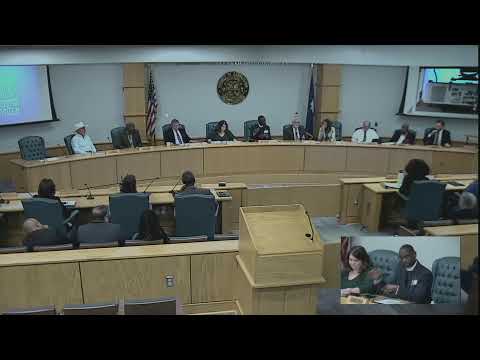
Charleston County council advanced a fee‑in‑lieu of tax (FILOT) agreement for an entity identified in county materials only as “Project Modern,” approving second reading after members questioned why the company’s identity remained confidential. The ordinance authorizes a 20‑year FILOT with a fixed millage rate and a 6% assessment ratio, county staff told council during the second‑reading debate.
Council member Matthew Kabrowski (chairing the discussion) pressed staff for public clarity. "We still don't know who Project Modern is," he said, asking for the specifics of the incentives for the public record. County staff responded that the incentives under discussion were a 20‑year fee in lieu of taxes with a fixed millage rate and a 6% assessment ratio; without the incentive, the assessment ratio would be 10.5 percent, staff said.
Council members expressed differing views about anonymous incentives. Some said economic development incentives can be necessary to attract jobs; others argued the public should know the company before approving tax incentives. "I can't vote for something when I don't know the name of it," Kabrowski said during debate. After discussion, council recorded a roll‑call second reading vote of 7 ayes and 2 nays; the transcript shows the ordinance passed second reading with that tally.
Why it matters: FILOT and other economic incentives can reduce tax revenue to local governments and are frequently debated for transparency and fairness. Council indicated it would continue to consider details as the agreement moves toward final readings, but the second reading approval allows the process to continue while some members pressed for greater public disclosure of the project's identity and terms.