Get Full Government Meeting Transcripts, Videos, & Alerts Forever!
Get email alerts on the Tax Abatement Housing topic
No spam. Unsubscribe anytime.
Pine County agrees to pursue tax‑abatement deal for new eight‑unit Pine City apartments; county share capped at $63,600
Summary
The county board voted to proceed with a term sheet and public‑hearing process for a tax‑abatement request tied to construction of two four‑unit apartment buildings in Pine City. The developer requested $146,300 in abatement over 15 years; the county's proposed share would not exceed $63,600.
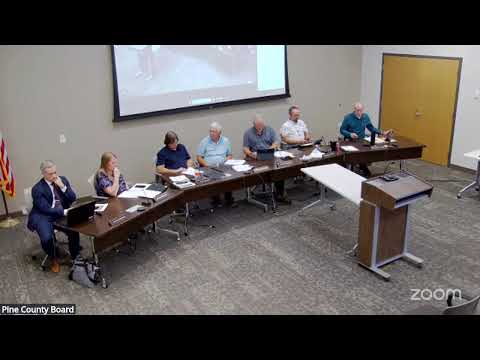
Pine County commissioners voted to move forward with a tax‑abatement term sheet for a Pine City housing developer proposing two four‑unit buildings (eight units total) on a vacant city lot. Economic development coordinator Leslie Sauter told the board the developer asked for a total abatement of $146,300 over 15 years, with Pine City covering about $82,700 and Pine County's portion capped at about $63,600. Sauter presented project details: a total development cost estimate of roughly $1.2 million, an anticipated full market value after completion of about $830,000 and first‑year property taxes for the improved parcel estimated slightly under $13,000. The project pro forma supplied by the applicant showed a gap between project cost and projected assessed value that is the basis for requesting the abatement; the county's financial consultant, Ehlers, provided the draft term sheet and will do periodic "look‑backs" to confirm projected returns. The Pine City Council previously approved the request by a 3–2 vote; the Pine County HRA/EDA recommended county participation by a 4–1 vote. The county's proposed term sheet makes the county contribution contingent on the city's participation. The developer told the board construction had begun and that utilities were stubbed to the site; staff said tax abatement (as distinct from tax‑increment financing) can be considered after construction begins but the city had received the initial application earlier in the year. Commissioners approved a motion to proceed with drafting formal agreements and scheduling required public hearings; one commissioner recorded an opposition at final voice vote. The board did not adopt an abatement agreement at the meeting; next steps include drafting documents with Ehlers and scheduling public hearings in the city and county, as required by state statute.