
Owner seeks informal OK to divide 100x100 R7 lot to build house for daughter; board requests neighborhood pattern analysis
Get AI-powered insights, summaries, and transcripts
Subscribe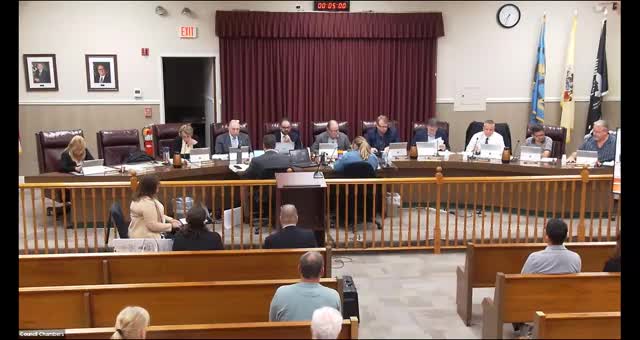
Summary
John Mulkey presented an informal, nonbinding request to subdivide his 100‑by‑100 R‑7 lot and build a roughly 1,400‑square‑foot house for his daughter; the board advised him to document prevailing lot sizes within 200–500 feet and confirm that the proposed lot and house sizes fit the neighborhood pattern.
John Mulkey asked the Sayreville Planning Board for an informal, conceptual review of his plan to subdivide his 100‑by‑100‑foot lot in an R‑7 zone into two lots so he can build a home for his daughter. The board clarified that an informal review is nonbinding and provided guidance on evidence the applicant should assemble before filing a formal subdivision application.
Mulkey said he proposed a roughly 60/40 split of the parcel and planned a house of about 1,400 square feet. Board members and staff told him the borough typically evaluates the prevailing lot pattern within 200 and 500 feet of the subject property; a showing that a significant share of surrounding lots are undersized improves the case for subdivision of smaller lots. The board advised Mulkey to check tax maps and take measurements of surrounding parcel widths and the size of existing homes to ensure the proposed lots and home sizes are consistent with neighborhood character.
Planning staff noted that applications creating undersized lots are “very difficult” unless the applicant can demonstrate a prevailing pattern of undersized lots nearby. The board pointed out other technical issues Mulkey should consider before hiring professionals: potential variances he may need (lot coverage, impervious coverage, number of stories) and flood‑zone treatment that can affect story count because a raised ground floor in a flood zone may not count as a story for zoning purposes. The board also reminded Mulkey that formal subdivision notice to property owners within 200 feet is required and that bonding is necessary for landscaping required between new lots and neighbors.
No formal action, vote or written approval was taken; the review was strictly informational. Board staff encouraged Mulkey to perform the neighborhood lot‑and‑home‑size analysis, talk to nearby property owners, and, if results are favorable, retain design professionals to prepare a formal application.