
JLARC adopts final report concluding Washington boating revenues support boating and general government
Get AI-powered insights, summaries, and transcripts
Subscribe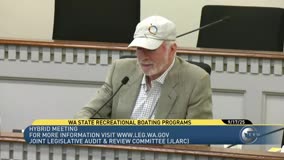
Summary
JLARC adopted a proposed final report finding that state boating-related revenues supported both recreational boating programs and general government accounts during the 2021–23 biennium; the report made no recommendations.
The Joint Legislative Audit and Review Committee on Sept. 17 adopted the proposed final report on Washington State recreational boating programs, concluding that boating-related revenues in the 2021–23 biennium supported both general government purposes and recreational boating activities and that no JLARC recommendations were necessary.
JLARC staff presenter Melanie Stidham summarized the decentralized administration of recreational boating in Washington, noting six agencies—Parks, Recreation and Conservation Office (RCO), Department of Natural Resources (DNR), Department of Fish and Wildlife (DFW), Department of Ecology, and Department of Licensing (DOL)—share roles and coordinate through an interagency working group. "During the 2021–23 biennium, the state generated $108,000,000 in boating related revenues," Stidham said, and staff reported about 75 percent of revenues came from taxes and registration fees while the remainder came from grants, aquatic leases and other sources.
Stidham told the committee expenditures for recreational boating totaled about $86 million during the biennium, concentrated largely on infrastructure and access such as ramps and docks. JLARC found Washington is one of 15 states that offer grants to local governments for boating projects and that Washington’s registration, education and life-jacket statutes are generally similar to other states.
Representative Scott moved adoption of the proposed final report and the committee approved the report by voice vote. Rob (Parks and Recreation Commission) and Alan Cole (policy specialist with RCO) were available to answer agency questions during the presentation, and agency representatives provided additional context about safety education and certification trends; Parks staff noted over 500,000 boaters have received the state-required boater education card since the program began and that reportable fatalities and incidents have trended down over time.
JLARC made no recommendations in the report. The adopted final report and supporting appendices, including detailed revenue and expenditure breakdowns and the appendix of nationwide survey results, are available on JLARC’s website.
Less-critical detail: the report includes three biennia of historical revenue and expenditure data and notes interagency coordination occurs quarterly through an interagency working group.