
Port Washington OKs participation in PSE&G EV make-ready program with five board votes, two abstentions
Get AI-powered insights, summaries, and transcripts
Subscribe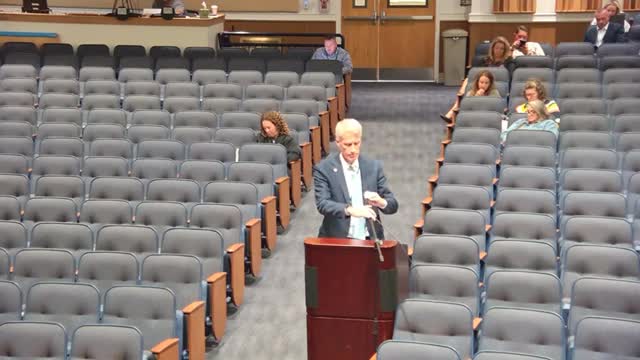
Summary
The board approved a district partnership to install up to 48 LinkWell EV charging ports at no upfront cost under PSE&G’s make-ready incentives; maintenance and cellular service are included for five years but districts retain responsibility for vandalism and long-term service contracts.
The Port Washington Board of Education voted to participate in PSE&G’s EV charging make‑ready program, approving a vendor partnership that would install charging infrastructure at multiple district sites without an upfront cost to taxpayers. The board’s vote on the consent agenda passed with five yes votes and two abstentions (Deborah Brooks and Sandra Alvarez).
Brian Graham, facilities staff, told the board the recommended vendor, LED Consulting, would install LinkWell charging stations “with 0 cost to the district.” Graham said the pilot includes up to 48 charging ports—three pedestals with up to two ports each at seven schools plus the administration building—and a five‑year subscription to LinkWell’s software and payment platform.
Graham said ownership of the hardware would remain with the district and that the program’s finances are handled through a revenue‑share model. He described the per‑session charge structure as including a $1.15 connection fee plus a district‑set rate, and noted the vendor would receive up to 15 percent of revenue under the arrangement. “All ownership remains with the district,” Graham said. He added the cellular service used for the stations is not on the district network.
During board questions, Graham said the vendor covers recommended maintenance and cellular costs under the revenue share for the initial five years, and that repairs are included during that period. He also warned districts sometimes buy additional insurance because damage from vandalism or a vehicle strike could be the district’s responsibility. The board discussed whether stations would be public after hours or restricted to staff, and Graham said availability can be set by district policy.
Trustees who voted yes were Adam Smith, Julie Epstein, Rachel Gilliard, Nanette Melkonian and Jessica Milwani. Trustees who abstained were Deborah Brooks and Sandra Alvarez. Board members said they expect additional engineering and site work if the district moves forward and that more financial detail can be developed before final installations.
The program will also include software and a revenue‑share payment system that allows users to pay via mobile app or QR code; Graham said the device uses cellular service rather than the district network and does not require an on‑site credit‑card machine.
The board approved the item as part of the consent agenda after pulling it for separate discussion and vote. Trustees said the district will continue to examine how station availability, rates and insurance will be handled while securing the available incentive funding.