
Defense counsel flags discovery and victim-contact issues; prosecutor pledges follow-up
Get AI-powered insights, summaries, and transcripts
Subscribe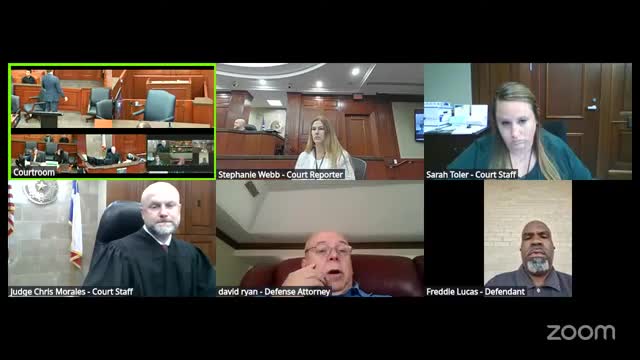
Summary
Defense attorneys on the 24 CCR docket raised concerns about missing discovery and inconsistent victim contact in several cases; prosecutors said they would follow up and one prosecutor reported prior contact with a victim in February.
Defense counsel on multiple cases told the court they had not received complete discovery and expressed concern about whether the complaining witnesses wished to proceed, prompting prosecutors to pledge follow-up contact.
“I'm a little concerned. I specifically have not seen anything that follows up with the complaining witness. I have reason to believe the complaining witness does not want this matter to go forward,” defense counsel David Ryan said on the record in one case and added he might file a motion to compel if the issue was not resolved.
The prosecutor responding to that matter said the previous prosecutor had made contact with the victim on Feb. 13 and that the information in the defense counsel’s file might be out of date; the prosecutor said they would prioritize calling the victim to clarify the current stance.
In another case a defense attorney said the complaining witness was uncooperative on scene and a third party made the call that initiated the report; the attorney said they were surprised the district attorney’s office continued to pursue charges without clearer victim cooperation.
Why it matters: timely and complete discovery and clarity about a victim’s willingness to proceed are central to defense preparation and can affect whether charges are resolved, whether motions to compel are filed, or whether cases proceed to trial.
The judge set follow-up deadlines, noting that many matters will return at the Nov. 13 pretrial conference so parties could update the court on discovery status and victim contact. Several defense attorneys said they would attempt additional contact with clients and victims before the next setting.
No formal discovery rulings or sanctions were issued on the record excerpts reviewed; the exchanges recorded were status updates and commitments to follow up.