
Residents and recovery-provider cite safety and oversight concerns at Winding Drive recovery house
Get AI-powered insights, summaries, and transcripts
Subscribe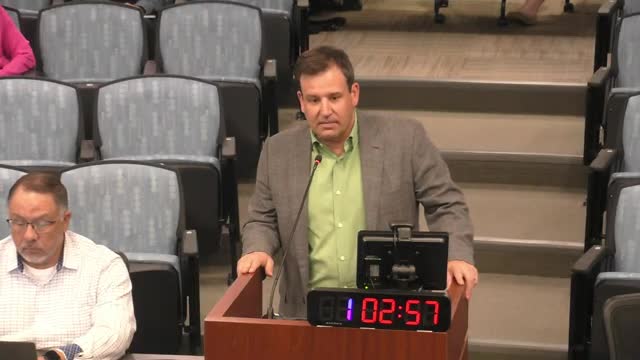
Summary
Speakers at public invited to be heard urged council follow-up after reports of an emergency response at a recovery residence at 2200 Winding Drive, raising questions about oversight, certification, resident safety and the recent ordinance grandfathering that property.
Members of the public urged Longmont councilmembers on Tuesday to provide an update and stronger oversight after multiple speakers raised concerns about a recovery residence at 2200 Winding Drive.
Resident Nathan Drashner told the council an emergency-services call over the weekend resulted in an occupant being removed from the house on a stretcher. "We're pretty concerned," Drashner said, adding he has followed the facility for six months and asked the council for at least an update to the community.
Sheila Roberts, who identified herself as an operator of a state-certified Level 2 recovery residence in Longmont, told the council the matter is in large part about "money for the provider" and about provider accountability. Roberts said the certification she runs allows her organization to receive federal funding and requires standards of safety, care and accountability for residents. "When the city passed this ordinance in May, it grandfathered in this property, allowing it to operate without meaningful oversight," Roberts said.
Roberts told councilmembers she believes residents in recovery from substance-use disorder are protected by federal disability law and that well-run recovery homes should provide structure and oversight. She said she had been the landlord for the operator of the house at 2200 Winding Drive and alleged the operator charged $1,200 per bed. "That certification that I'm talking about is what qualifies sober living homes for federal funding," Roberts said. "In return, we follow basic standards of safety, care, and accountability."
Why it matters: speakers asked for a public update and for the city to clarify what oversight the council or staff can require. Drashner said he had emailed council on July 31 requesting information and had not received a substantive update. Roberts said the property may be operating as a rental business rather than as a recovery-focused residence and told council members that the ordinance passed in May had allowed properties to continue operating but, in her view, without “meaningful oversight.”
Council next steps and limitations: during public comment staff did not outline any new enforcement action. Councilmembers and staff did not adopt a formal directive during the meeting, but Drashner and Roberts requested an update and said they want to work with the city to develop next steps. Roberts urged the council to consider how certification, structure and oversight could be strengthened for recovery residences operating inside the city.
Details and clarifications: Roberts said the residents in her facility had an average ACE (adverse childhood experiences) score of 6.875, which she described as evidence of high trauma among residents who need structured support. Drashner said state or regional solutions may be a year or longer, and he asked for interim communication and action from the city. The Boulder Housing Authority (BHA) was referenced by Drashner as having recorded that it was unaware when the house began operating.
The council did not take formal action or vote on enforcement during the study session. Speakers asked staff to brief council publicly on the city’s oversight options and any actions already taken; councilmembers indicated they would receive follow-up information outside the public comment segment.