
CalPERS spotlights CVS Caremark as PBM for 2026; vendor outlines transition and specialty support while members raise concerns over drug exclusions
Get AI-powered insights, summaries, and transcripts
Subscribe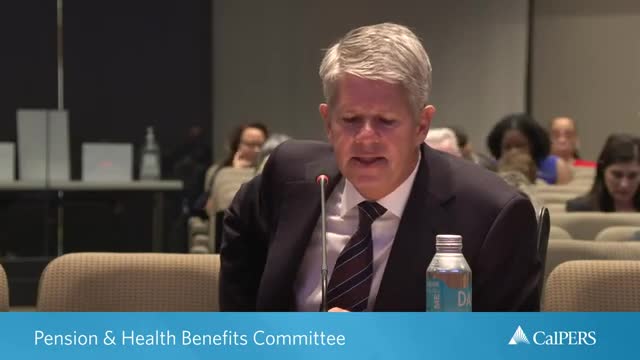
Summary
CVS Caremark detailed its CalPERS onboarding plan for 2026 pharmacy benefits, promising a dedicated call team, digital tools and targeted specialty outreach while members expressed concern about hundreds of drugs not carried forward from the prior PBM.
CalPERS held a Health Plan Spotlight presentation with CVS Caremark on Sept. 16, 2025, to review the pharmacy benefit manager’s onboarding plan ahead of a 2026 pharmacy‑benefit transition. CVS Caremark executives described a multi‑pronged implementation that includes a dedicated customer‑service team, digital tools, and targeted outreach for members with complex specialty needs.
CVS Caremark’s Ed Devaney (president of CVS Caremark) told trustees the PBM had created a microsite and expects sustained web traffic during open enrollment; he said CVS has allocated a dedicated call team of more than 120 people for the CalPERS relationship, operating year‑round. Devaney also highlighted efforts to migrate historical data — open refills, prior authorizations and drug‑level files — to minimize disruption when the plan moves from one PBM to another.
Chief Medical Officer Dr. Michelle Gourdin described a population‑health approach, saying Caremark will use data sharing to identify members at higher risk of nonadherence (for example, members on multiple chronic medications) and that the PBM will provide a range of interventions — digital reminders, phone outreach and face‑to‑face help — scaled to member needs. For the roughly 3,000 specialty beneficiaries CalPERS staff noted in the presentation, CVS said it will deploy a “white glove” high‑touch outreach program before the transition.
Member concerns and staff response: During later public comment, a California State Retirees representative, Larry Woodson, said he had reviewed a staff‑posted list showing about 330 drugs that would not be carried over from the prior PBM and expressed concern. CalPERS staff and presenters responded that formulary design and coverage decisions are set by CalPERS and that CVS Caremark’s role is to administer CalPERS’ formulary; staff said each excluded product has a clinically suitable alternative on the new formulary and that many excluded items have generic equivalents. Staff also reminded members that medical necessity and appeal processes remain available when a clinician judges a specific drug necessary.
Why it matters: The PBM transition affects drug access, prior‑authorizations and out‑of‑pocket costs for plan members. The presentation emphasized operational measures intended to reduce member disruption, while public comment demonstrated continued member concern about specific formulary changes.
Next steps: CalPERS staff said the PBM will continue onboarding activities, member communications, and dedicated webinars; trustees and staff urged members to contact their providers where there are questions about coverage or medical necessity appeals.