Get Full Government Meeting Transcripts, Videos, & Alerts Forever!
Get email alerts on the Rental Inspections Study topic
No spam. Unsubscribe anytime.
Commission proposes neighborhood-revitalization study to improve rental inspection outcomes
Summary
A commission member proposed a phased study — involving university researchers, surveys, focus groups and technology review — to identify ways to increase inspection coverage, reduce reinspection rates and improve coordination among the university, landlords, tenants and city code enforcement.
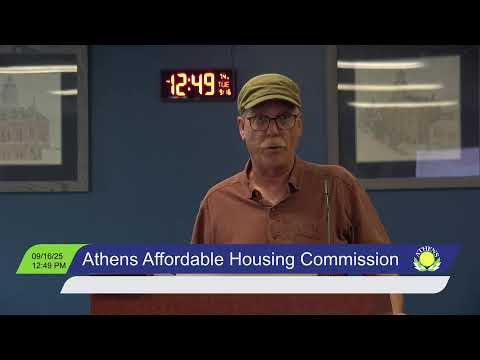
A commission member outlined a proposed neighborhood-revitalization and rental-inspection study that would gather background data, deploy surveys and focus groups, analyze code enforcement practice and recommend short- and long-term actions to improve rental inspection coverage and compliance. "We have only about a a 76% annual inspection rate as of last year," the presenter said, and described goals such as achieving 100% annual inspection coverage, lowering reinspection rates and improving consistency across inspectors.
Nut graf: the presenter said the commission’s role is advisory and emphasized collaboration with city code enforcement, fire department, Ohio University and community stakeholders; the proposal called for using university research capacity to administer surveys and analyze results.
The proposal outlines phases: collect background information and relevant laws and policies; survey renters (including students and disabled renters), landlords and other stakeholders; convene focus groups; review current technology and GIS links; compile costs and funding options for inspections; and prepare prioritized recommendations. The presenter said Dr. Shaw at Ohio University expressed interest in involving students for survey design, analysis and reporting. Commission members repeatedly clarified that the study would produce recommendations only; it would not itself change enforcement policy. One commissioner asked for clarification and the presenter confirmed: "these are recommendations that are going to, work forward the goals. They aren't the actual goals...We are an advisory body."
Ending: The commission endorsed further work on the study plan and encouraged collaboration with the city's code office before any formal recommendations are finalized.