Lifetime Citizen Portal Access — AI Briefings, Alerts & Unlimited Follows
Appeals court hears juror-bias, evidence and closing-argument challenges in Commonwealth v. Jones
Loading...
Summary
In argument over multiple claims, defense counsel complained a juror's ambiguous voir dire answer should have triggered follow-up, challenged admission of Hertz rental records, and raised claims about alleged sleeping juror and prosecutorial closing remarks; prosecutors said the trial judge acted within discretion and that some issues were waived
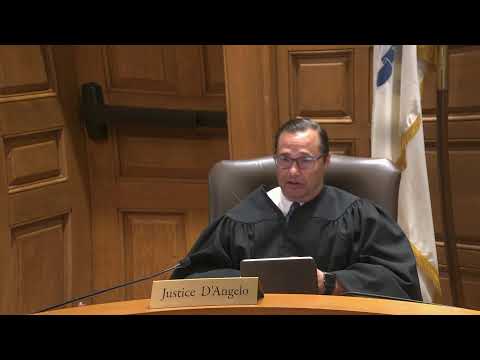
The appeals court heard arguments in Commonwealth v. Jones on multiple trial errors the defense says warrant reversal, including admission of rental-company records, a juror-vetting dispute over an answer about race and crime, an alleged sleeping juror, and prosecutorial remarks in closing.
Attorney Matthew Malm, representing the appellant, told the court the trial judge wrongly allowed admission of Hertz rental records linking the defendant to a vehicle; he said the Commonwealth later "confessed error" on that point. He pressed whether the remaining convictions would stand without that evidence. Malm focused much of his oral argument on juror number 16, who answered a voir dire question about whether "African Americans are more likely to commit crimes per capita" by saying, "No. It depends where you live." Malm said that answer was ambiguous and that both counsel asked the judge to follow up and the judge declined. "If the answer is no and then there's a long pause ... there wouldn't be anything wrong with that, would it?" a justice asked; Malm said the judge should have probed.
Assistant District Attorney Lee Baker defended the trial judge's handling, arguing a cold record can create ambiguity and that the juror's initial "unequivocal no" mattered. "We're looking at a cold record," Baker said. He and the justices debated whether the phrasing "per capita" invited a statistical reading distinct from a racial-bias question, and whether the judge's discretion on follow-up was within bounds.
Malm also urged the court to consider that a juror had reportedly had eyes closed during opening statements; he said both parties brought it to the judge's attention and the judge merely said he would "keep an eye on it." The justices questioned what threshold of inattention requires inquiry: "Jurors often close their eyes when witnesses are testifying," one justice observed, noting the line is unclear.
On closing-argument claims, Malm said the prosecutor called the defense's case a "conspiracy theory" and told jurors that defense counsel's job was to "distract" them, comments Malm said were denigrating and prejudicial. Baker replied that calling an argument a "red herring" is common and that the prosecutor's statements were tied to specific parts of the defense theory. The panel asked whether objections were made during trial and whether any unpreserved claims were waived on appeal.
The case was submitted after extended questioning. The appeals court will decide whether the trial judge's handling of voir dire, the evidentiary admission and the prosecutor's comments require reversal or are within the judge's discretion.