Get Full Government Meeting Transcripts, Videos, & Alerts Forever!
Get email alerts on the Learning Employment Records topic
No spam. Unsubscribe anytime.
Speaker urges interoperable learning-employment records to connect learners and employers
Summary
A presenter at the meeting promoted a "new data paradigm" of secure, portable Learning Employment Records (LERs) to capture coursework, certifications and apprenticeships and said the approach would give employers clearer, real-time labor-market information. No formal action was taken.
A presenter at the meeting urged creation of interoperable Learning Employment Records, saying a secure digital system that captures coursework, certifications, apprenticeships and real-world experiences would connect learners, workers and employers in real time. "Coursework, certifications, apprenticeships, and real world experiences all captured on 1 secure digital record," the presenter said.
The presenter framed the effort as part of a broader push to help families and workers, linking it to federal tax policy: "The working families tax cut is 1 of the most important accomplishments of this Congress and possibly for generations," the presenter said, and argued that the data system should build on that momentum. The speaker described the proposal as a "new data paradigm, a partnership of education, industry, and community," intended to make skills verifiable and portable.
Why it matters: the presenter said LERs would let employers see verified skills and competencies and would provide "real time labor market data" so employers know "where talent is growing, what wages are trending, and which fields are in demand." The presenter also said LERs would help clarify career pathways and make it "easier to recruit, train, and retain" workers.
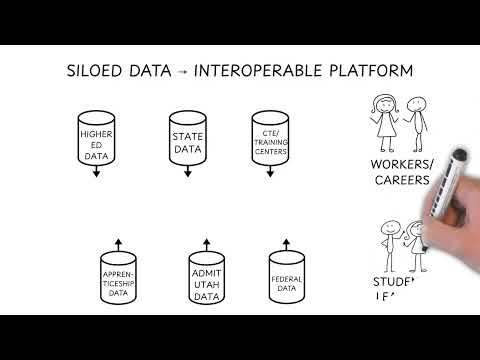
On the technology and privacy side, the presenter described LERs as "secure, private, and portable," and used an analogy: "Think of it as a transport interstate, an interoperable data highway where information from states, schools, industry, and even federal programs all flow in the same direction." The presenter cited a state-level example, saying, "In Utah, programs like Admit Utah capture the spirit of innovation."
Discussion versus decision: the transcript records only advocacy and explanation of the concept; there was no motion, vote or formal direction recorded. The presentation outlined intended benefits and a technical model but did not specify funding sources, implementation steps, or legal authorities. Details such as program costs, governance, participating agencies, and timelines were not specified in the transcript.
Closing: the presenter summarized the proposal as empowering people "to turn learning into earning," and said the approach would ensure every achievement is "seen, valued, and ready to open doors."