Get Full Government Meeting Transcripts, Videos, & Alerts Forever!
Get email alerts on the Public Transit Zipserv topic
No spam. Unsubscribe anytime.
Community Transit: Arlington ZipServ pilot exceeding early ridership and cost targets
Summary
Community Transit told the Arlington City Council that its on-demand ZipServ pilot in Arlington has exceeded early targets for unique riders and cost per boarding, while staff said they will refine hours and add a vehicle to address wait times.
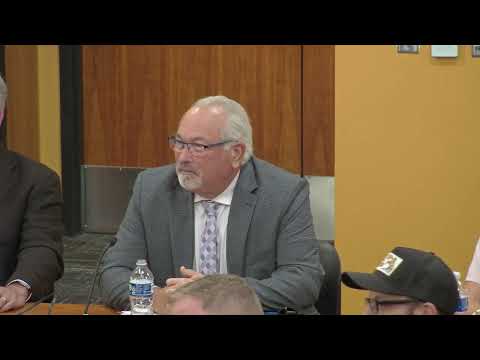
Meg Talley of Community Transit reported to the Arlington City Council that the agency’s ZipServ on‑demand pilot in Arlington has outperformed several of its initial performance targets.
Talley, representing Community Transit, said the zone has been in service seven months and has already surpassed the pilot’s year‑end target for unique riders. “Overall, customers are very pleased,” she said, and noted that Arlington had beaten a target of 1,000 unique riders set by comparing Arlington to an existing Alderwood zone.
The presentation included performance data through July: 32,681 total boardings to date and an average cost per boarding of about $21, below the $30 target Talley provided. Talley said average vehicle productivity is about 3.7 passengers per vehicle hour, above the 3.5 goal, and that shared trips were at 47 percent in July (she noted some August days exceeded the 50 percent shared‑trip target).
Talley summarized customer patterns and equity impacts from a July survey, saying across all three pilot zones about 25 percent of riders were seniors, youth or people with disabilities and that those riders “wouldn’t have taken their most recent trip without Zip.” She also said roughly 32 percent of trips connect riders to other transit services.
Council members asked about wait times, long‑term funding and service geography. Talley said average wait time has been about 20 minutes and that ZipServ managers are adjusting hours and adding capacity as demand grows. On funding, she said the service is included in Community Transit’s proposed 2026 budget and “is not dependent on any outside grant funding.” Regarding service area changes, Talley said requests (for example, adding stops such as a restaurant or shopping area) will be collected and evaluated, likely during an annual review.
Talley said pilot recommendations will go to Community Transit leadership and its board in early 2026, and the agency will return to the council with any formal recommendations.
Next steps include continued operational adjustments, adding an extra vehicle in Arlington in the coming weeks and delivering formal pilot recommendations to Community Transit leadership in early 2026.