Get Full Government Meeting Transcripts, Videos, & Alerts Forever!
Get email alerts on the Solid Waste Management topic
No spam. Unsubscribe anytime.
Council committee weighs data collection and next steps for new garbage sticker program
Summary
Public Works staff reported pickup volume down about 9% since the city implemented a paid bulk-trash sticker; council members urged more data and a cost analysis before deciding on further limits or bag caps.
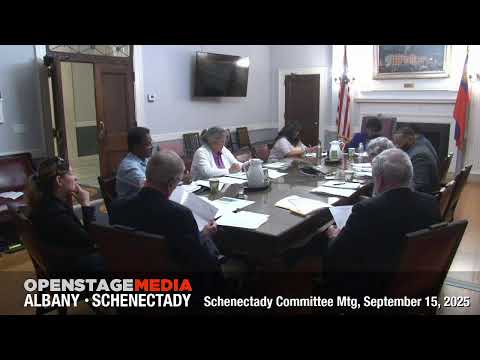
City staff told the Board of City Development and Planning that the newly implemented garbage-sticker program is in operation and that trash pickups have decreased roughly 9 percent since the change. Staff said bulk items now require a sticker and that the program’s early results suggest fewer pickups of larger volumes.
“We're down about 9%. So I can I would attribute that to now that, you know, we are charging for bulk items,” a staff member said, adding the department would provide revenue receipts for sticker sales to the council.
Committee members pressed staff for a full cost analysis that includes all departmental costs tied to collection, dispatch, nuisance enforcement, mechanical maintenance on trucks, fuel and administration. Staff said those costs are not fully visible in a single line in the current budget because multiple departments (waste, law, clerk, mechanics) contribute labor and expenses.
Council members opposed imposing a numeric bag cap without data. One member said a single arbitrary bag limit “isn't data driven” and urged allowing the sticker program to run longer so staff can return with a consolidated cost study; staff and council also discussed possible modeling from private commercial haulers but said municipal operations and social obligations differ from private service models.
Staff said they would provide detailed sticker revenue figures and further cost analysis in time for upcoming budget discussions. Committee members asked staff to explore presenting waste costs in a single cost center for clarity during budget review and to continue collecting operational data; staff noted practical limitations for some forms of collection data, including timing of resident curb placement and operational constraints on collecting counts during routes.
No ordinance or fee changes were adopted during the meeting; the program’s next steps are additional staff cost analysis and reporting to council during the budget cycle.