Get Full Government Meeting Transcripts, Videos, & Alerts Forever!
Get email alerts on the Civic Access topic
No spam. Unsubscribe anytime.
Resident accuses Councilman Fusco of silencing public comment, calls for apology and accountability
Summary
A public commenter said Councilman Fusco was heard on open mic saying 'thank goodness' after public comment closed and urged the council to rebuke what he described as a culture of dismissing residents.
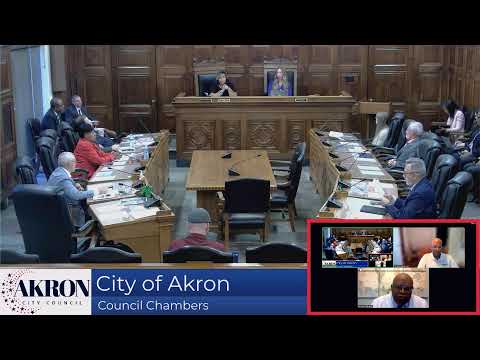
During the public comment period at the Akron City Council meeting, William Reynolds accused Councilman Fusco of limiting public participation and treating resident speakers as a nuisance. Reynolds said he reviewed a meeting recording and at about 45 minutes in heard Fusco say “thank goodness” as public comment was being closed.
Reynolds attributed the practice of limiting speakers to a broader pattern: he said Fusco enforces a rule that limits comment to 10 speakers per meeting and bars residents from speaking more than once every 35 days. He told the council that such practices, plus what he described as dismissive gestures, erode trust in local government.
Reynolds also urged the council — not just Fusco — to apologize and “reject the culture of toleration” of dismissive behavior. His remarks included an assertion that “it has now been 292 days since Jasmine Tucker was murdered by APD officer Davon Fields,” a claim Reynolds made during his comments; the council did not take formal action in response during this meeting.
Acacia Reynolds, who spoke immediately after William Reynolds, echoed the call for accountability and reminded council members that the chamber belongs to the people.
Why this matters: Reynolds framed his remarks as a matter of public-trust and civic access, urging clearer respect for and responsiveness to residents who use the public comment process.
What’s next: No formal disciplinary action or motion was recorded on this issue during the session. Comments were made during the public comment portion of the meeting and were entered into the record.