Get Full Government Meeting Transcripts, Videos, & Alerts Forever!
Get email alerts on the Budget Financials topic
No spam. Unsubscribe anytime.
Middletown budget committee flags early-year transport, telephone and seasonal-salary variances
Summary
At a Sept. 15 meeting, the Middletown Board of Education budget committee reviewed early fiscal-year reports showing a $17,296.11 deficit in special-education summer transport, high seasonal-staff spending tied to the Kegwin move and a projected telephone account shortfall; staff said encumbrances and transfers are keeping lines balanced so far.
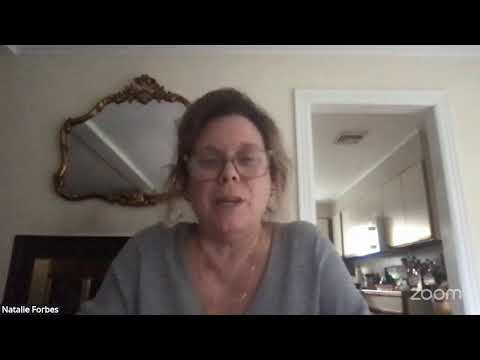
The Middletown Board of Education budget committee reviewed early fiscal-year financial reports Sept. 15 and identified several lines that require monitoring, including a deficit in special-education summer transport and a projected shortfall in communications. Chair Harold Panciera and Director of Finance Natalie Forbes said transfers and encumbrances so far have kept overall accounts balanced. Natalie Forbes, the board’s director of finance, told the committee the transportation line for extended school year (ESY) services showed a negative balance of $17,296.11 and that classified seasonal-salary spending for preparation of the Kegwin School had used $49,675.02 of its appropriation. Forbes said the communications telephone line (account code cited in the report) is early in the year but could show a small deficit and that the district currently has roughly $116,905 encumbered in that area. The nut graf: committee members pressed for clearer explanations of encumbrances and rapid early spending so the public understands whether those are one-time timing issues, contract obligations or signals of recurring shortages. Forbes explained that line items are often encumbered — reserved in the financial system — when recurring costs are expected so invoices can be processed without additional approvals. She said some encumbrances reflect known contracts (for example, a contract with Middlesex Health for a health adviser, where $3,999.99 has been spent and approximately $12,000 remains encumbered against a known contract amount). Forbes said encumbering is a common administrative practice that preserves the intent of appropriations and clarifies what funds remain available for transfers. Committee members asked about other large entries in the report. Forbes said a “prepayment” line for pupil transport reflects advance payments the district makes to achieve a discounted contract rate; she characterized those entries as prepayments for daily transportation services. When Chair Panciera asked whether the district was buying a new truck (account code: new equipment), a staff member identified only as Marco said a purchase was planned but no final decision had been made and that vehicle purchases are usually deferred until year-end if possible. The committee also discussed the process for transfers. Forbes said principals and department heads are meeting regularly with finance staff and that early transfers are often routine adjustments — for example, moving funds from a supplies line to cover overtime — so that lines do not show negative balances. She said the finance office is monitoring special-education tuition and transportation closely and is meeting every two weeks with special-education staff to troubleshoot emerging needs. The meeting did not record any formal board motions or votes on these items; Forbes said many transfers are processed administratively and that the committee would receive follow-up detail by email on several line items queried during the meeting. Looking ahead, Forbes told members the district is continuing to investigate the apparent surplus in natural-gas costs and other early-year variances so the budget team can determine whether they represent real savings or timing/accounting differences. For now, the committee’s direction was to continue monitoring and to provide itemized follow-up on questioned transfers and encumbrances so members can decide whether formal transfer requests or budget amendments are required.