
Deltona resident urges Volusia County to put civilian police review board on 2026 charter ballot
Get AI-powered insights, summaries, and transcripts
Subscribe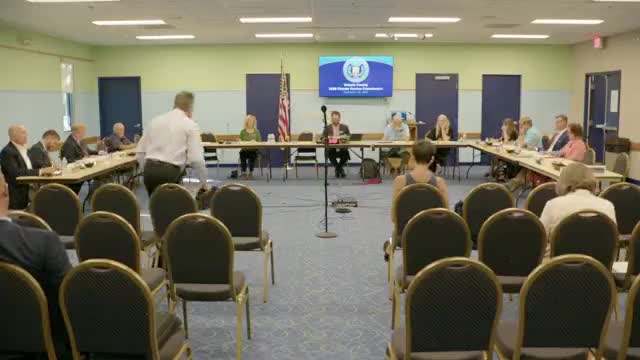
Summary
At a Volusia County Charter Review Commission listening session, Robert Flaherty proposed a nine‑member civilian police review board with investigative powers and public reporting, urging the commission to recommend a 2026 ballot amendment.
Robert Flaherty, a Deltona resident, told the Volusia County Charter Review Commission at a public listening session that the county should place a charter amendment on the 2026 ballot to establish a civilian police review board.
"This proposal is about governance. It's about ensuring that our county's law enforcement agencies operate with transparency, accountability, and public trust," Flaherty said, arguing the county lacks an independent mechanism to review complaints or investigate misconduct.
Flaherty described a nine‑member panel that would be "diverse, independent, and community rooted," with investigative powers, public‑reporting duties and the authority to recommend disciplinary actions and policy reforms. He said such boards nationwide "reduce liability, improve community relations, and offer a structured way to address concerns before they escalate." He also framed the proposal as permissible under Florida's home‑rule authority and asked the commission to recommend placing the amendment before voters in 2026.
The commission took no formal action at the listening session. Mark Watts, chair of the Volusia County Charter Review Commission, said staff will compile the suggestions from listening sessions and that commissioners will begin substantive discussion at their next meeting on Oct. 13 in the McGee Room at the airport. Watts also noted county legal staff will advise the commission about state preemption and other legal limits on charter changes.
The remarks were delivered during public comment; the commission did not vote, direct staff to draft the amendment, or otherwise act on Flaherty's proposal during the session.