
Firms describe actuarial review process: assess assumptions, run parallel analyses, and weigh credibility
Get AI-powered insights, summaries, and transcripts
Subscribe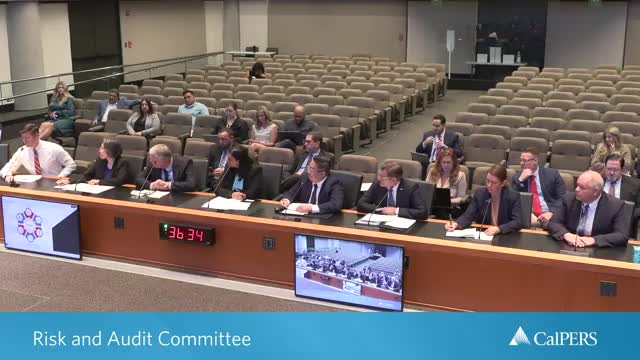
Summary
BDO, Crowe, KPMG and Plante Moran told the CalPERS committee they will evaluate actuarial experience studies by reviewing assumption rationales, assessing credibility and, where needed, running parallel models; actuaries on the panels said mortality, discount rate and COLA assumptions pose highest risk to reported liabilities.
The committee asked how each firm would evaluate actuarial experience studies and staff evaluations for their potential impact on the financial statements. Representatives described an integrated approach that pairs audit teams with credentialed actuaries.
Firms said their actuaries review demographic and economic assumptions (mortality, retirement, salary scale, cost‑of‑living adjustments and discount rate), evaluate consistency with actuarial standards of practice and the plan’s own historical experience, and assess the credibility of sample sizes or experience windows used in studies. Several firms said they would perform parallel analyses or modeling where assumptions materially affect reported liabilities and would discuss rationale and sensitivity with CalPERS actuaries if questions arise.
Plante Moran and KPMG noted participation on national actuarial or standards bodies that informs how they interpret and evaluate studies; BDO and Crowe described using in‑house actuarial specialists to perform reasonableness checks and run alternate scenarios. Ben Johnson of Plante Moran and Greg Mills of BDO specifically mentioned mortality and COLA assumptions as areas likely to require additional scrutiny. Firms said they would not attempt to re‑do an experience study from scratch in the audit, but would validate the study’s methods, data and conclusions and probe areas of high judgment where alternative assumptions could change financial statement amounts.
No formal committee decision was recorded; responses will factor into scoring of technical capability in the procurement.