
Council raises cost-sharing question for dispatch, EMS and county services
Get AI-powered insights, summaries, and transcripts
Subscribe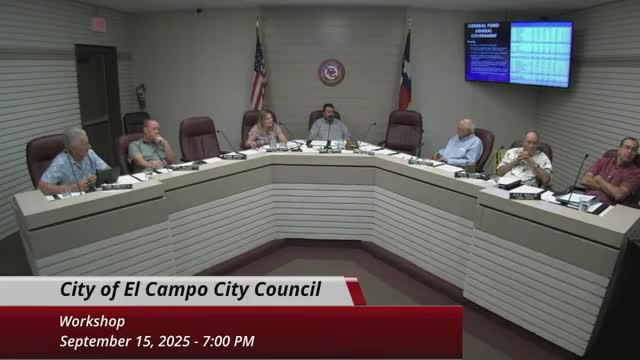
Summary
Council members pressed staff about whether dispatch and other shared services should be partially funded by the emergency services district or county, citing that a portion of dispatch activity serves county/ESD requests and noting the complexity of quantifying that share.
Council members used the budget workshop to ask whether other taxing entities should contribute to dispatch and related public-safety costs. Council members and staff discussed that dispatch serves police, fire and EMS and that previous arrangements required additional funded positions to improve EMS representation in dispatch. Garrett, the city —SD liaison, said the city previously funded added dispatch positions but later found the actual dispatcher time devoted to the city —MS function was relatively small. Garrett said, "I would say we use maybe 5 percent of the dispatcher's time," when describing EMS-specific use of dispatch resources. An experienced former dispatcher/manager in the meeting noted that police calls typically represent roughly 90–95% of dispatch activity in many agencies, making a precise billing share problematic. That speaker explained examples from larger jurisdictions where dispatch staffing is flexible during large incidents and warned that billing another agency would require a defensible, quantifiable method. Council members said El Campo has incrementally increased contributions from the local emergency services district (ESD) this year and asked staff to continue exploring how to quantify shared-service costs so other agencies could contribute for services that cover areas outside city limits. Staff said it is a topic to continue working on but noted the current budget cycle does not include a finalized costing mechanism. Council members also discussed that ESD 1 pays the volunteer fire department directly and that residents inside the city receive faster EMS response times; some council members said that difference supports continued city contributions but that the county and ESD also should be engaged for fair cost-sharing where services extend beyond city boundaries.