Committee hears overview of red‑light and speed‑camera evidence and enforcement challenges
Summary
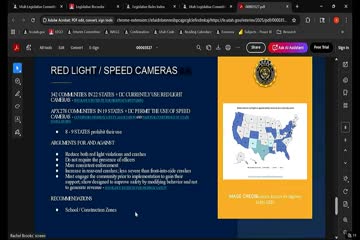
Highway Patrol summarized national evidence on automated enforcement, its crash‑reduction effects and practical enforcement challenges, and recommended a checklist for jurisdictions considering cameras.
Colonel Mike Rapich and Major Jeff Nyberg briefed the committee on automated traffic enforcement (red‑light and speed cameras), summarizing national evidence and enforcement pitfalls. Why it matters: automated cameras can reduce certain crash types where deployed but pose legal, administrative and public‑trust challenges that have caused some communities nationwide to abandon programs after initial adoption. Evidence and limits: the presenters cited National Highway Traffic Safety Administration and other research showing reductions in some crash categories (red‑light violations saw large reductions where cameras were visible and supported by public notice). The presenters noted that adoption nationwide increased through about 2012 and then fell as legal, procurement and revenue‑perception issues emerged. Operational challenges: officials said key obstacles include integrating automated evidence into charging and court processes, avoiding “masking” (changing a violation’s legal character to avoid federal or regulatory consequences), ensuring privacy and civil‑liberties protections, and designing a transparent revenue-to-safety structure. The Patrol recommended a set of “critical considerations” for any jurisdiction that contemplates cameras, including site selection (high-crash corridors, school zones, construction zones), legal frameworks, and robust public notice. Ending: the Patrol plans to produce a nonendorsement “critical considerations” checklist for the committee showing logistic, legal and community issues that jurisdictions should weigh before adopting automated enforcement technology.