Get Full Government Meeting Transcripts, Videos, & Alerts Forever!
Get email alerts on the Civil Liberties topic
No spam. Unsubscribe anytime.
Parma council seeks to remove 1960s-era fortune-telling ban citing free-speech concerns
Summary
Council referred Ordinance 166-25 to repeal the city’s chapter banning fortune-telling and clairvoyance after law staff and council members raised First Amendment issues; council agreed the prohibition is outdated and could infringe on protected speech.
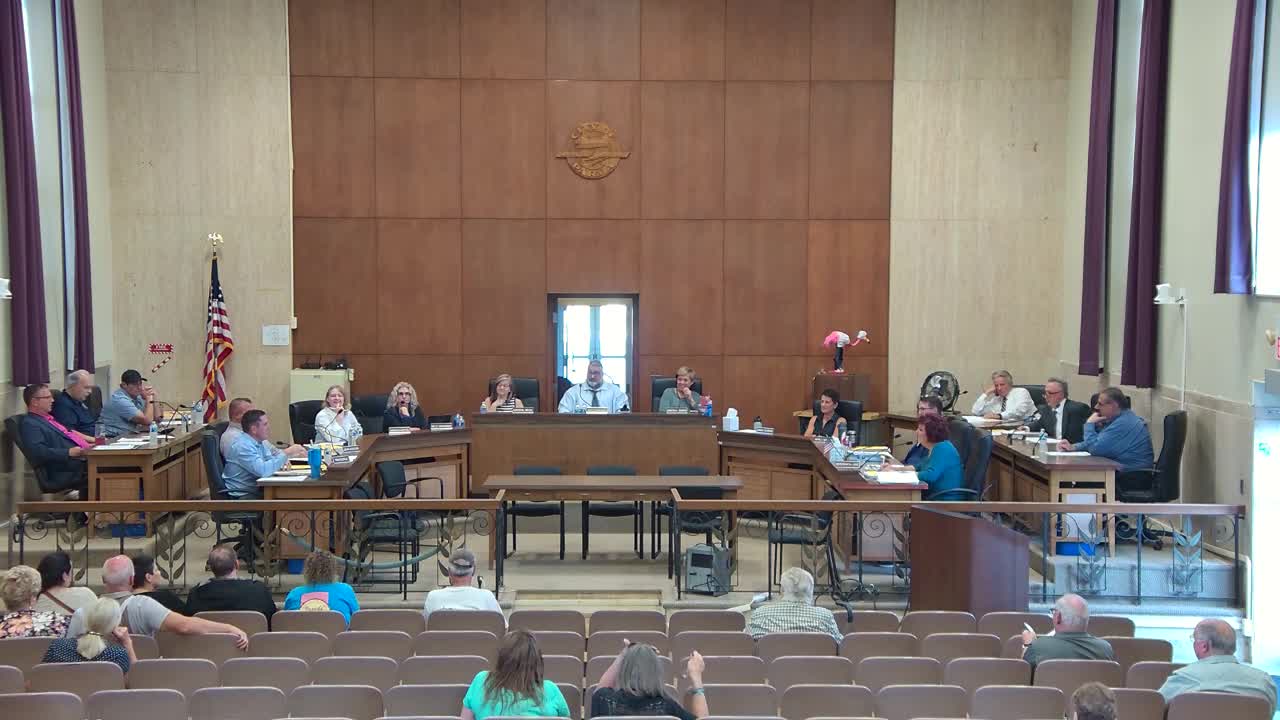
Parma City Council on Sept. 15 voted to refer Ordinance 166-25, which would repeal Chapter 733 (fortune-telling and clairvoyance) of the business-regulation code, back to the Public Safety Committee after law department analysis raised constitutional concerns.
Assistant Law Director (addressed in the meeting as Mr. Ptoomer) told council that blanket prohibitions on fortune-telling raise free-speech issues and that federal appellate courts have found similar bans unconstitutional. Council members noted practical concerns: that the city code’s requirement for a legal license for fortune-telling creates an impossible licensing demand because no such state license exists.
Councilmember Deborah Lime asked whether repeal would allow businesses that had been shut down under the ban to reopen; law staff replied that repeal would remove the local prohibition. Council members framed the change as updating an old 1966 code provision to reflect contemporary First Amendment jurisprudence.
Council voted to send Ordinance 166-25 back to the Public Safety Committee for second reading and further committee consideration.
Why this matters: the proposed repeal removes a decades-old municipal prohibition that staff said is likely constitutionally vulnerable and could create legal exposure if enforced. The ordinance would not remove other consumer-protection or licensing requirements that remain enforceable under separate statutes.