Get Full Government Meeting Transcripts, Videos, & Alerts Forever!
Get email alerts on the Criminal Justice topic
No spam. Unsubscribe anytime.
Council moves to repeal city’s felon-registration code after legal review
Summary
A city law that required felon registration has been targeted for repeal (Ordinance 165-25) after the law director and staff said courts have found such registries unconstitutional; council voted to send the measure back to Public Safety Committee for second reading.
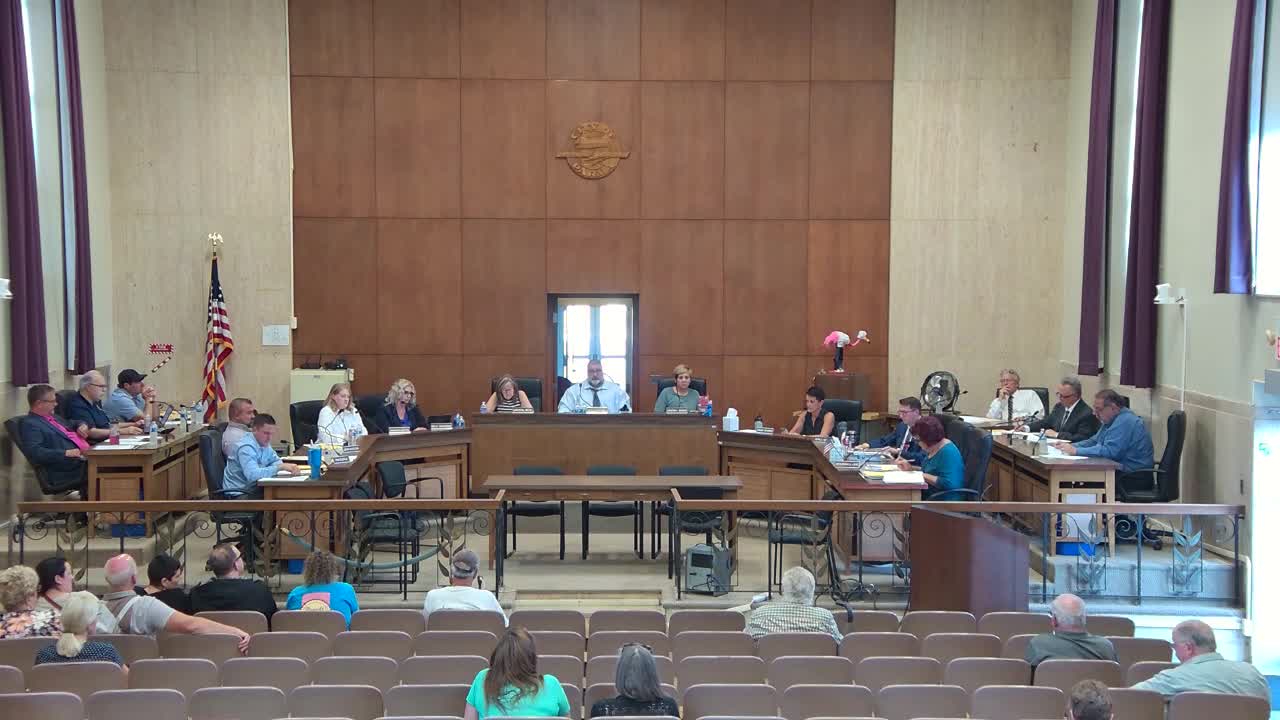
Parma City Council considered Ordinance 165-25 on Sept. 15 to repeal the city’s chapter 656 regarding registration of felons. The measure was moved for second reading and referred back to the Public Safety Committee after the law department told council the provision has been deemed unconstitutional in recent court decisions.
Law Director (addressed in the meeting as Mr. Ptoomer) explained to council that the ordinance language “has been determined to be unconstitutional” and violates due-process protections, following U.S. Supreme Court rulings and subsequent federal court decisions. The law director clarified that sexual-offender registration statutes are a separate legal regime and are not part of the city’s repeal action.
Staff checked the Parma Clerk of Courts records and found no criminal charges brought under the challenged code section dating back 25 years, the law director said. Council agreed to move the repeal forward to remove the obsolete code language.
Action taken: council voted to refer Ordinance 165-25 to Public Safety Committee for second reading and additional committee vetting.
Why this matters: removing an unconstitutional local code section prevents potential legal risk to the city and aligns the municipal code with current constitutional law. The law director emphasized this is a correction to outdated code rather than a policy change affecting sexual-offender registries, which are governed separately.