Get Full Government Meeting Transcripts, Videos, & Alerts Forever!
Get email alerts on the Solid Waste And Transfer Station topic
No spam. Unsubscribe anytime.
Town officials question how commercial haulers track origin of waste at transfer station
Summary
Select Board members and commercial-hauler representatives discussed how trucks and transfer stations track where waste originates, options for hauler licensing, customer lists and data collection as the town plans a future transfer-station overhaul.
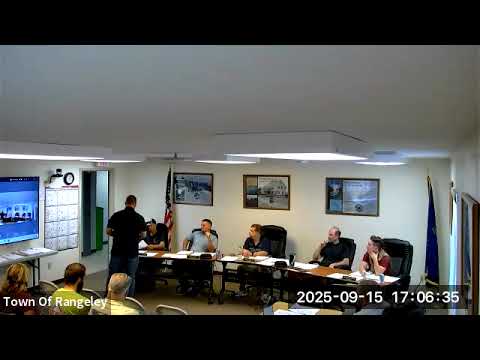
Select Board members and commercial-hauler representatives met to discuss how commercial waste is tracked when it is dumped at the town transfer station and whether haulers bring loads from outside town. The conversation focused on how to verify that trucks arrive empty and on licensing, customer lists and data the town could collect before a planned overhaul of the transfer station.
Town staff member Joe introduced the discussion and said the board had received questions from the community about whether haulers bring in waste collected outside the town. Jerry (Archie’s representative) told the board, “Our trucks are empty. Before they come back, they have to be empty,” and said drivers record routes on tablets so the company can identify stops and timing. A second hauler representative, Mickey Wayne, said, “Everything you pick up here, we dump at your transfer station,” and described nearby transfer-station capacity.
Hauler representatives described licensing and enforcement options used by other municipalities. They recommended a municipal waste-hauler license that would require insurance proof, Department of Transportation compliance for drivers, drug testing and a customer list so the town could identify where collected waste originates. One representative said such licenses can cost “$100” to “$350” in other towns and that license terms can allow towns to restrict access to the transfer station if violations occur.
Residents and board members asked practical questions about verification and data. Board member Mark asked whether haulers keep separate records by town and whether the town could obtain customer lists to understand monthly loads from specific areas. Jerry said tablets in trucks include addresses and mapping data that could help differentiate town lines, and suggested spot checks at the transfer station: opening bags and checking mail or conducting periodic truck inspections.
Speakers also discussed alternative pricing and control mechanisms, including “pay-as-you-throw” bag systems for residents, stickering for proof of residency and charging commercial customers by cubic yards or tons. Board members noted the town sells resident stickers and that the town could compare sticker sales to tonnage to track changes.
The discussion did not produce a formal vote; board members asked staff to follow up. The board noted it is planning an eventual substantial overhaul of the transfer station and said it would consider options — including hauler licensing, customer-list review and potential scales or other measurement systems — as design and budgeting proceed.
The meeting included requests that the town: obtain hauler customer lists for transparency; consider a licensed-hauler program that includes insurance and DOT compliance checks; and evaluate whether a scale or a cubic-yard pricing approach should be part of the transfer-station redesign. No ordinance change or license was adopted at the meeting.