Get Full Government Meeting Transcripts, Videos, & Alerts Forever!
Get email alerts on the Childcare Tax Policy topic
No spam. Unsubscribe anytime.
Several childcare tax credit proposals set for review, from dependent-care relief to provider and employer incentives
Summary
A set of bills to ease childcare costs for families, support home-based providers and encourage employer-created childcare capacity drew testimony at the Joint Committee on Revenue.
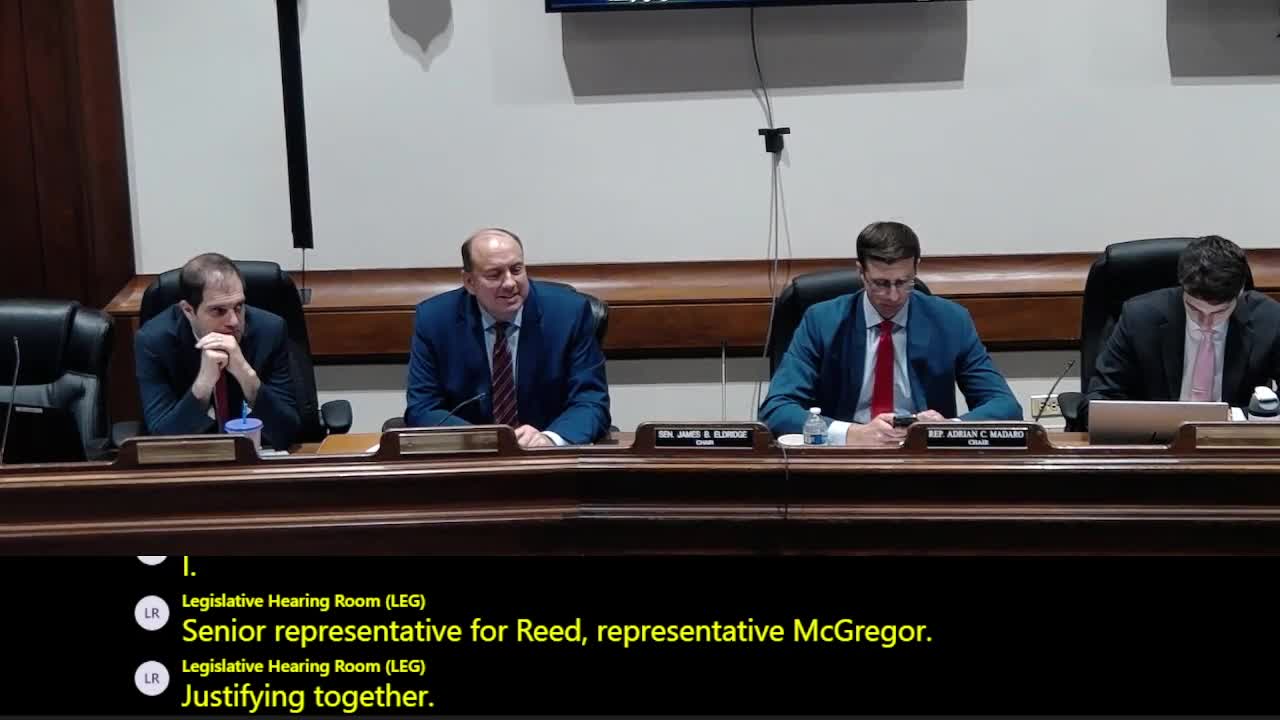
The Joint Committee on Revenue heard a cluster of bills focused on childcare affordability and expanding childcare capacity across the Commonwealth.
Representatives Chester Wooley and Brett McGregor testified in support of H.3174 (an act relative to a child and dependent care tax credit), which would provide a $500 state tax credit per dependent (described as 25% of the federal dependent-care tax credit) to help families facing high childcare costs. "The price of daycare for a young child can rival or even exceed housing costs," Representative Fuqua Reid said, urging the committee to report the bill favorably.
Separately, family childcare providers and SEIU Local 509 urged passage of H.3197 / S.2019, a bill to create a family-childcare tax credit of $3,300 (indexed for inflation) to support home-based childcare providers, including a carryover for up to three years if the credit exceeds tax due. A provider reading testimony described concerns about covering utilities, staffing and inconsistent voucher funding and asked the committee to support permanent, sustainable help for home-based programs.
Industry representatives and employers also testified on employer-provided childcare credits and pilot programs (H.3265, H.3086, S.1956). Michael Day of Bright Horizons said employer-led investment can expand capacity and urged flexibility in program design so employers can target hours or shifts that meet their workforce needs. "By having a credit for employers, you're helping them to create that capacity," he said, noting the potential community-wide benefits.
Witnesses emphasized that the proposals are not standalone solutions: several speakers said the Commonwealth needs broader affordability and supply-side reforms, but that the tax credits would provide targeted, immediate relief for families and incentives to support childcare supply.
No committee votes were taken during the hearing. Sponsors urged favorable reports so the bills can move forward through the legislative process.
Why it matters: Massachusetts has among the highest childcare costs in the country; proponents said these credits would reduce cost burdens for families, support home-based providers and encourage employer investment in care.
What's next: The committee heard testimony but did not act. Proponents asked for favorable reports to advance the measures for further consideration.