
Boston councilors press police lab on staffing, 30‑day testing mandate and plan for Y‑screening
Get AI-powered insights, summaries, and transcripts
Subscribe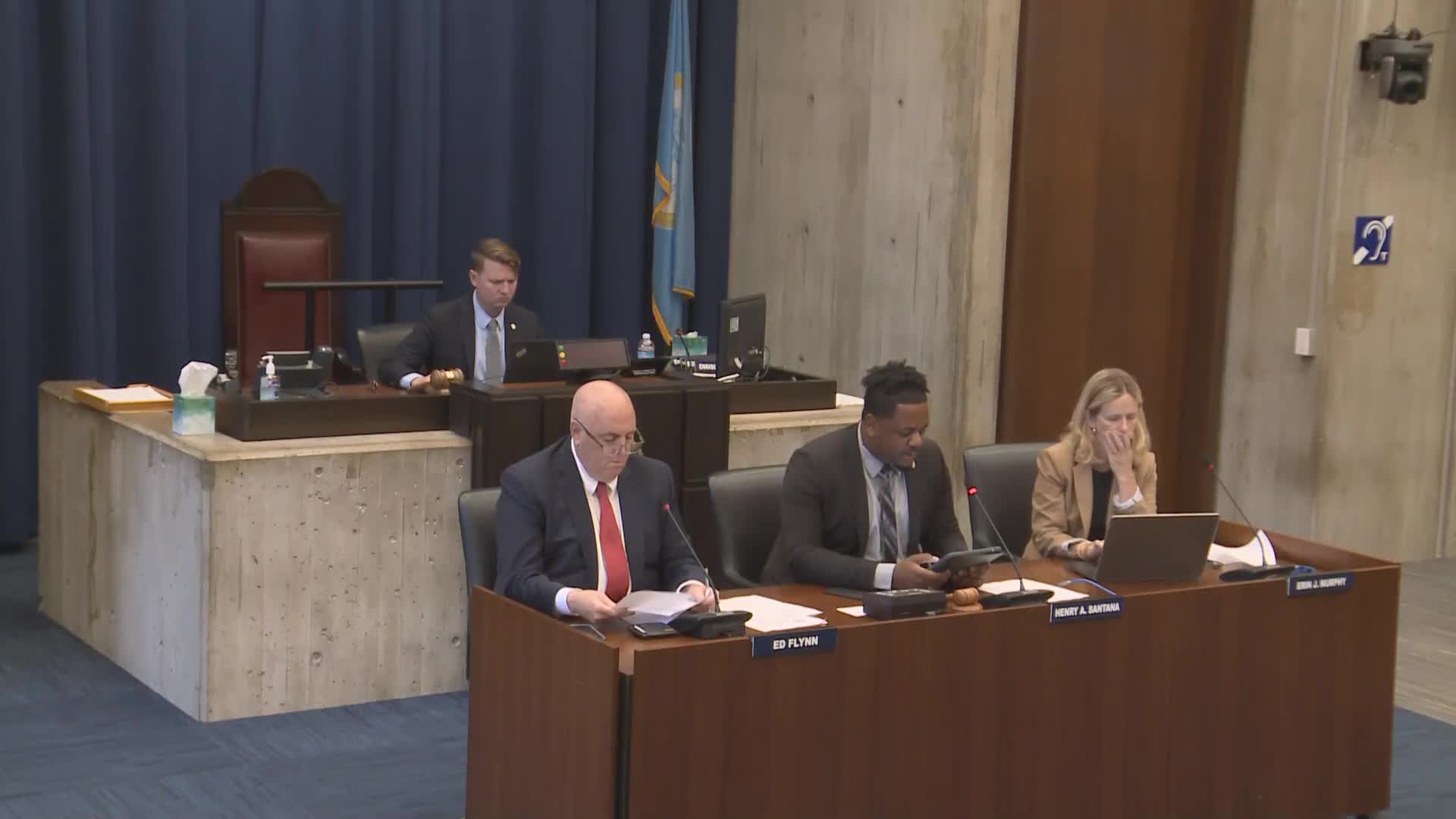
Summary
City councilors questioned Boston Police Department officials on Sept. 15 about staffing, leadership gaps and the department’s efforts to meet a state 30‑day mandate for sexual assault kit screening; lab leaders said the division is meeting the mandate for fiscal year 2025 while pursuing funds and equipment to add Y‑screening.
Boston City Councilors on Sept. 15 pressed Boston Police Department officials over leadership, staffing and technology at the Boston Police Forensic Laboratory, focusing on whether the lab can sustain a state-mandated 30‑day turnaround for sexual assault kit screening and on plans to add Y‑screening technology. Deputy Superintendent Victor Evans and the lab’s quality‑assurance director, Kevin Lared, told the council the consolidated forensic division is meeting the 30‑day requirement for the current fiscal year but acknowledged limits on capacity and the need for new equipment and staff.
At a hearing convened by Committee on Public Safety and Criminal Justice Chair Henry Santana, lead sponsor Councilor Flynn said the panel must “do everything we can” to ensure timely testing and modern technology for survivors and families. “It is critical that the Boston Police Department crime lab is drawing the talent and leadership it needs to run effectively,” Flynn said.
Why it matters: The state requires screening of sexual assault kits within 30 calendar days; councilors said meeting that deadline is central to public trust and to victims’ rights. Councilors also pressed officials about a $1,000,000 council amendment intended to bring Y‑screening capability to the lab and asked why that funding did not produce an immediate rollout.
Most important facts: Deputy Superintendent Victor Evans said the forensic division — which includes the forensic laboratory unit, the electronic crimes unit and the crime scene response unit — is nationally accredited and comprises about 50 employees. Kevin Lared said, “So fiscal year 25, we received 152 kits. 100% of those kits were screened within 30 days.” Evans and Lared said the lab consolidated three previously separate units (firearms, latent prints and the civilianized DNA laboratory) into a single forensic laboratory in May 2025 to improve accreditation and cross‑training.
On staffing and leadership, councilors repeatedly raised the fact that the forensic director position had been filled intermittently in recent years. Councilor Flynn and others said extended leaves and transitions at the director level contributed to capacity problems; officials said work continued during those periods but acknowledged the department was not meeting the 30‑day mandate before recent changes. Lared said some staff attrition occurred — the lab lost two staff members in recent months who left for opportunities in other states — and that specific vacancies remain (two criminalist positions in firearms and an administrative clerk). He also described the time needed to train new analysts: roughly six months to be at the bench and more than a year to become fully functional.
On technology, councilors pressed the lab about Y‑screening, a more targeted screening approach lab officials said would shorten parts of the front‑end workflow. Lared said the department is preparing to bring Y‑screening online and has obtained grant approvals and equipment quotes, but that the upfront cost and consumables would require roughly “close to $300,000” to “half a million dollars” (estimates provided in testimony). Councilor Flynn noted a council amendment to the city budget for $1,000,000 intended for Y‑screening; Lared and Evans said the lab did not receive an earmark or that proposed amendments were not fully accepted in the final budget process.
Officials described operational constraints that make the 30‑day calendar‑day mandate difficult to meet in some months: laboratory instruments have finite throughput, technical review and quality‑control steps take time, and holidays and weekends count toward the 30‑day calendar window. Evans said the lab prioritizes “probative” samples for DNA testing and screens clothing and biological evidence; not every swab in every kit is always forwarded to DNA testing because protocols require retaining material for defense testing and follow‑up. On accreditation and quality, officials said the consolidated lab recently underwent assessments and, in the most recent full assessment, reported no deficiencies across the three units.
Committee follow‑up and next steps: Council Chair Henry Santana said the committee will follow up with the department and with city finance staff to track how council funding and grant opportunities could support Y‑screening and staffing. Lab officials described current funding sources under discussion, including federal backlog‑reduction grants (described during testimony as the capacity enhancement/backlog reduction federal grant) and SAKI (Sexual Assault Kit Initiative) funding proposals; they said federal grant availability can be uncertain and affects hiring timelines.
Context and caveats: Councilors and lab officials agreed that while the lab reported meeting the 30‑day requirement for fiscal year 2025 screening numbers, sustaining that performance depends on staffing, maintenance of equipment and continued funding. Officials cautioned that bringing additional analysts fully online takes many months and that Y‑screening implementation requires validation, procurement and auditing by accrediting bodies before use in casework.
Quotations are from the hearing transcript of the Boston City Council Committee on Public Safety and Criminal Justice on Sept. 15, 2025. The article does not infer outcomes beyond those described by speakers during the hearing.
Ending note: The committee closed the hearing with a promise of more follow‑up; councilors signaled they will revisit budget language and grant opportunities as the forensic lab pursues equipment upgrades and staff recruitment.