
Appeals court reviews care-and-protection case over parents’ requests to represent themselves and competency findings
Get AI-powered insights, summaries, and transcripts
Subscribe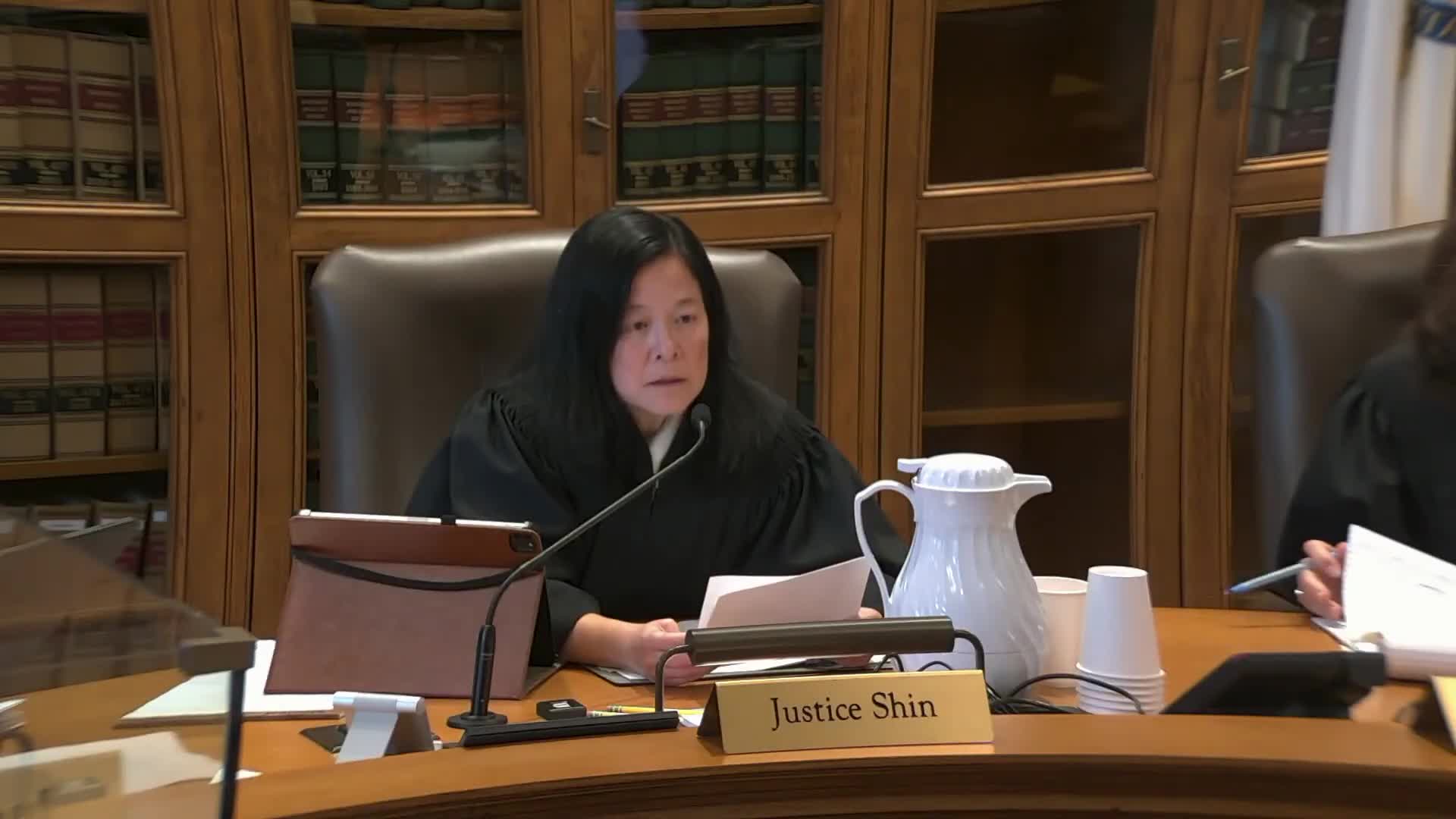
Summary
In a care-and-protection appeal the court heard challenges about whether parents were denied the opportunity to represent themselves, whether competency evaluations were correctly applied, and whether procedural errors deprived the family of due process.
Multiple counsel and parties argued at the panel over due-process protections in care-and-protection proceedings after lower-court judges appointed counsel and repeatedly denied parents’ requests to represent themselves. Joan Altimore, representing the mother, argued that the mother’s repeated requests to replace appointed counsel, to proceed pro se, or to have the father handle her representation were denied without appropriate competency findings and without a hearing on whether she could knowingly and intelligently waive counsel. Kyla Clay, arguing for the child-appellant, emphasized that a parent’s waiver-of-counsel decision in a care-and-protection matter must be voluntary, unequivocal, knowing, and intelligent; Clay said the trial court did not adequately consider whether the mother could meet that standard given the court-clinic evaluation and communication difficulties, and that the failure to do so deprived the family of a fair process. The Department of Children and Families urged affirmance, saying the record showed extensive evidence of parental unfitness and that the trial judge acted within discretion when balancing children’s best interests and the need to keep proceedings moving. DCF’s counsel said competency reports showed parents required court support and that the judge permissibly relied on the clinic report and on observed courtroom behavior to conclude self-representation was not appropriate. The parents’ counsel and amici argued Means/Ferretta lineages support a parent’s right to self-representation and that the trial judge did not conduct the necessary colloquy and competency analysis before denying self-representation. The panel questioned counsel about the applicable standards for waiver or forfeiture of counsel in civil child-welfare proceedings, the difference between statutory and constitutional rights to self-representation, and whether the trial judge’s findings about a parent’s mental status and courtroom behavior were adequate. The case was submitted for decision.