
Appeals court weighs challenge to post-foreclosure summary process and paragraph 22 notice
Get AI-powered insights, summaries, and transcripts
Subscribe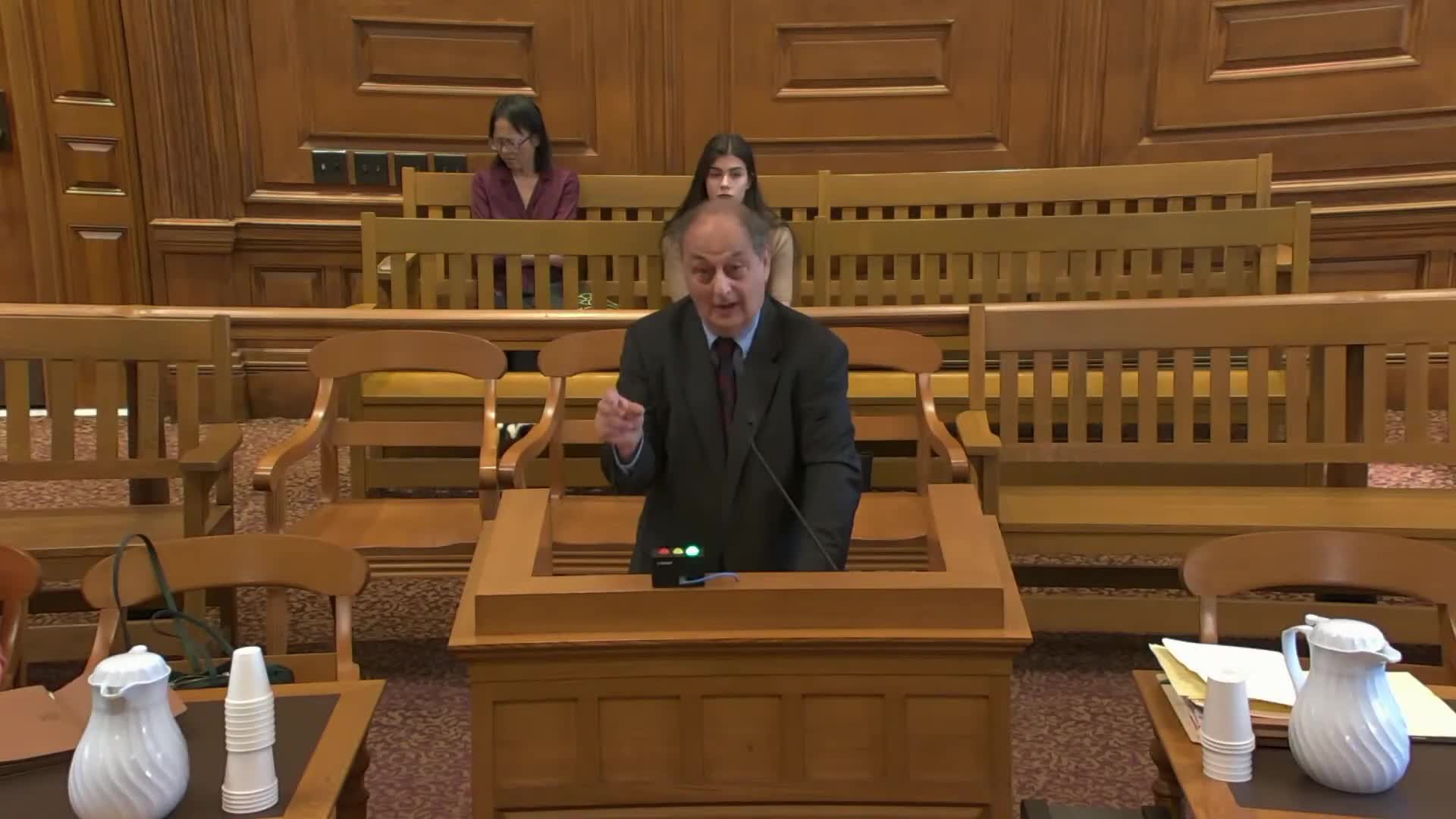
Summary
MTGLQ Investors LP v. McIntosh raised whether a standard mortgage paragraph and the required notices satisfied strict-compliance rules after a nonjudicial foreclosure, and whether a former owner/occupant has standing to challenge defects in the notice.
Attorney Adam Sherwin, representing the former occupant Kathleen McIntosh, argued the paragraph 22 notice in the mortgage and the accompanying summary-process summons were defective because they referenced rights to assert claims “in the foreclosure proceeding” even though the lender pursued a nonjudicial foreclosure. Sherwin said the reference would mislead borrowers — particularly pro se mortgagors or occupants — into believing they could raise defenses in a foreclosure action that would not occur in a nonjudicial sale, and he urged strict compliance with paragraph 22 disclosures. Appellate counsel for MTGLQ and the mortgagee responded that the notice contained the substantive elements required and that the additional phrase about a foreclosure proceeding was not inaccurate or misleading in context; they also argued the former owner here was a tenant at sufferance and not a mortgagor and therefore lacks standing to invoke contractual paragraph 22 rights. The parties and the panel debated whether paragraph 22 noncompliance renders a foreclosure void and whom that rule is meant to protect, with counsel citing recent decisions (transcript references to “Pinty/Marrin/Marroquin/Thompson” and first-circuit authorities) and disagreeing about the scope of standing. Sherwin also argued the summons and incorporated notice to quit were internally inconsistent and could mislead the occupant about the grounds for summary possession. MTGLQ counsel cited controlling summary-process and foreclosure precedent and said the published opinions require that a tenant-at-sufferance receive only notice of the foreclosing entity’s intent to take possession. The panel questioned both sides on whether the discrepancy was material and on the practical impact of allowing nonmortgage parties to press paragraph 22 challenges; the argument was submitted to the court.