
Officials warn Medicaid changes and hospital closures are straining local care and emergency services
Get AI-powered insights, summaries, and transcripts
Subscribe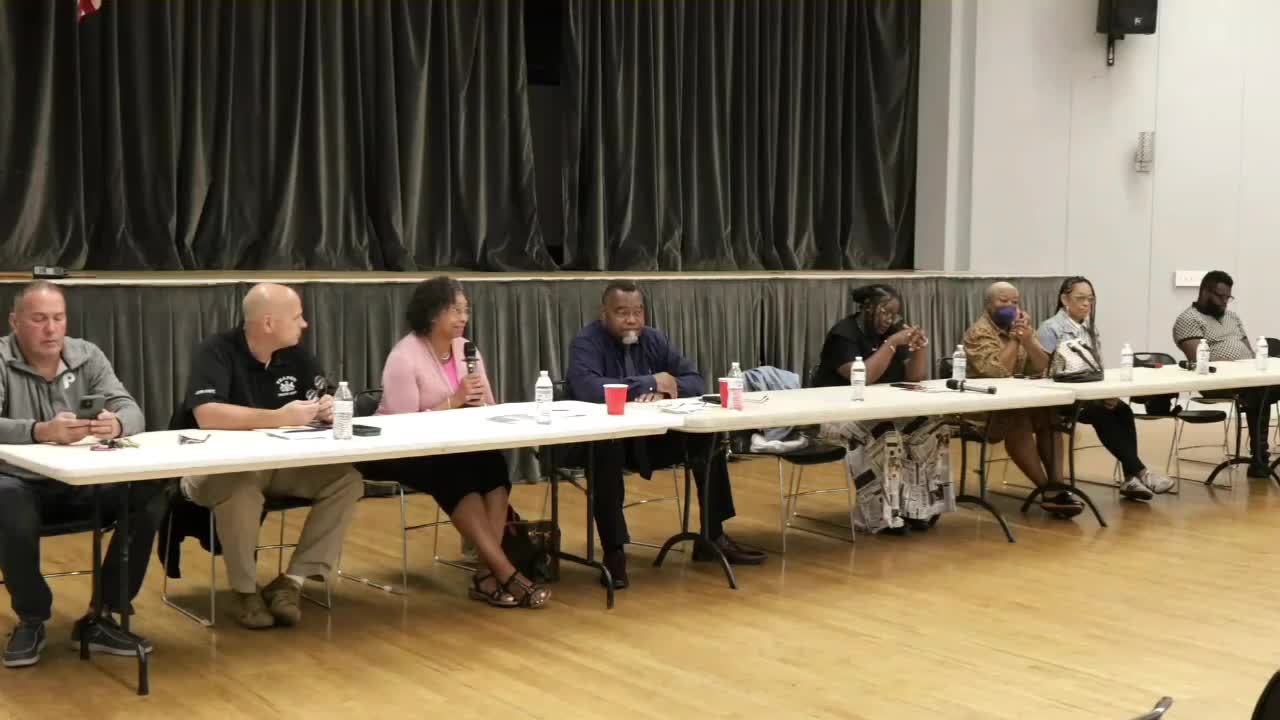
Summary
At a Yaden mayor's forum, a Mercy Fitzgerald nurse and the mayor outlined how recent area hospital closures and possible cuts to Medicaid expansion are increasing uncompensated care and burdening remaining hospitals and emergency services.
YADEN — Area hospital closures and the possible expiration of Medicaid expansion funding are increasing pressure on remaining hospitals, driving higher uncompensated care and stretching emergency services, speakers said at the borough's mayor's forum on May 22.
Joy Hepkins, a nurse navigator at Mercy Fitzgerald, told residents that Medicare and Medicaid are separate federal-state programs that together support hospital revenue and patient access. "Medicaid is a public health insurance program that's for families and people who have limited income or no income," Hepkins said, adding that the program is funded by a mix of federal and state dollars administered by the Centers for Medicare and Medicaid Services.
Hepkins said the Medicaid expansion enacted under the Affordable Care Act increased coverage after the COVID-19 pandemic and that its expiration would reduce coverage and increase uncompensated care for hospitals. "Without [the expansion], the loss of that coverage ... will increase our taxes, and there'll be no or limited or none in insurance coverage for those who need it," she said.
The forum highlighted several local closures and service reductions. Mayor (unnamed) listed recent and nearby hospitals that have closed or reduced services, including Crozer, Delaware County Memorial Hospital, and changes at Mercy facilities, and said those losses "impinge upon public safety and what the police could do." Chief Henry Giammarco said the borough is seeing mental-health and emergency-room overflow from neighboring jurisdictions: "When there's an issue with the emergency department ... other jurisdictions will bring a 302 patient in a commit, because Chester Crozier [Crozer] is closed now. So FITZ is actually taking the patients into their ED." He added that hospital wait times and bed shortages have forced patients to remain in emergency departments for days.
Hepkins described how the funding mix affects hospitals and patients. She told the forum that an individual applicant's monthly income threshold for Medicaid in Pennsylvania is about $2,900 ("or less," she said) and that states set additional eligibility rules. She advised older patients who have Medicare to consider pairing it with secondary coverage — Medicaid or private secondary plans — to avoid high out-of-pocket costs. "Having that extra insurance or secondary to pad it will keep you in better stead and keep you away from debt," she said.
Speakers warned of clinical and financial consequences if coverage shrinks. Hepkins described clinical costs and the burden on cancer care programs in particular, saying many patients arrive uninsured or underinsured and that individual cancer treatments can be costly; those examples were presented as her clinical observations. Chief Giammarco and the mayor connected those coverage gaps to operational strains on ambulance and police responses and to longer emergency-department stays that can increase assaults on hospital staff and reduce bed availability for time-sensitive cases.
Discussion-only items included questions from residents about exactly which hospitals remain open and how Medicaid enrollment works; Hepkins told the audience that Medicaid enrollments and plan choice are handled at the county and that common managed-care options locally include Keystone First, UnitedHealth and HealthPartners, with a new entrant she identified as Geisinger.
Direction and near-term steps described at the forum included hospitals and public-safety agencies applying for grants to buy equipment and sustain services; Chief Giammarco said the police department obtained grant-funded AEDs and first-aid kits for street units. No formal borough legislative actions or votes were taken at the forum.
Why this matters: Many residents rely on local emergency departments for urgent medical and mental-health needs; the speakers said fewer open facilities and reductions in publicly funded coverage could increase uncompensated care, longer ED stays and strain on first responders.
What's next: Hepkins encouraged people to check CMS and state Medicaid resources for enrollment details and to contact federal and state representatives about funding for Medicaid expansion. The mayor and police chief said the borough will continue coordinating with county hospitals and behavioral-health partners on handling overflow and capacity issues.
(Quoted statements above are attributed to speakers as recorded at the forum.)