
District 58 approves 2026 budget but warns of cash‑flow cliff, eyes arbitrage rebate and working‑cash bonds
Get AI-powered insights, summaries, and transcripts
Subscribe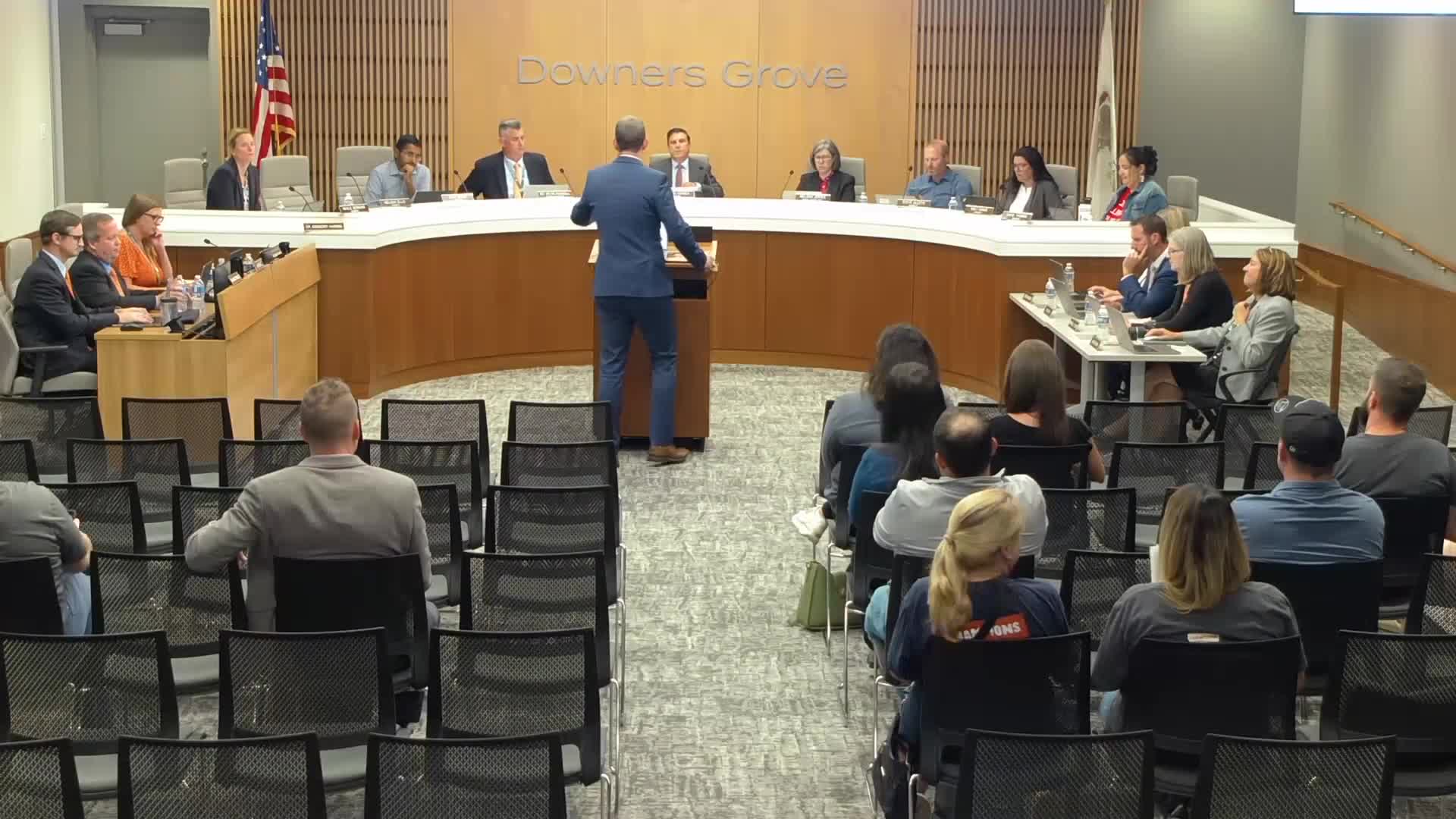
Summary
Downers Grove Community School District 58 on Monday approved its fiscal year 2026 budget, but district financial staff warned the board the approved plan leaves the district short of its 35% fund‑balance policy and at risk of running out of cash during May pay periods.
Downers Grove Community School District 58 on Monday approved its fiscal year 2026 budget, but district financial staff warned the board the approved plan leaves the district short of its 35% fund‑balance policy and at risk of running out of cash during May pay periods. Chief School Business Official Dr. Greg Harris said the district projects a $575,000 surplus under the approved budget but an estimated year‑end operating fund balance of about 25.4%, short of the district’s 35% policy.
The budget matters because May is the district’s annual low‑cash point, Harris told the board, and without intervention the district may not have sufficient funds to meet payroll and routine payables in late May. “When we get to May, that’s where the trouble starts,” Harris said in his presentation, describing months when property‑tax receipts lag and the district must cover three payrolls in two months.
Harris outlined three options to bridge near‑term cash needs and buy time to rebuild savings: (1) pay an expected federal arbitrage rebate tied to the district’s $140 million referendum bond issue now or postpone payment up to the five‑year safe‑harbor; (2) sell non‑referendum working‑cash bonds under the district’s debt service extension base (DSEB/DCEB) to create a working‑cash cushion; or (3) use tax‑anticipation warrants (short‑term loans) as a last resort. Harris said PMA, which manages referendum proceeds, estimates about $15 million of interest earnings on the bond proceeds, of which roughly $4.8 million would be owed as an arbitrage rebate to the U.S. Treasury if paid under the standard 60‑day rule. The district is considering holding that rebate under the five‑year option and using the cash as a short‑term internal cushion for May 2026 and 2027.
Board members and the district’s financial advisory committee discussed tradeoffs. Several trustees said any one‑time remedy must be paired with structural actions to close a multi‑year shortfall the administration estimates at about $9 million to reach the 35% policy. Member Darren Hannes urged the board to present options publicly so the community can weigh the kinds of cuts or revenue steps that might be needed. Dr. Harris and Superintendent Kevin Russell told the board they will present a five‑year projection and a stair‑step plan at upcoming FAC and January financial‑workshop meetings.
District staff described recent budget movements that changed the August tentative surplus of about $130,000 into the $575,000 surplus in the adopted budget: an added $66,000 cost for teacher lane changes tied to the collective bargaining agreement with the Downers Grove Educational Association; roughly $100,000 in departmental trimming; about $200,000 in lower SASID tuition than projected; and an administrative decision to remove seven vacant instructional‑aide positions (roughly $30,000 each) representing about $210,000 in savings. Harris called the adopted budget “conservative” and said the administration will continue to monitor mandated categorical reimbursements and corporate personal property replacement tax receipts that could improve results.
The board voted to adopt the budget and later approved a retroactive transfer from the working‑cash fund to the transportation fund to close a reported June 30, 2025 deficit in that fund. Melissa Olczyk and other trustees voted aye on both motions. The board also instructed the FAC and administration to produce monthly cash‑flow updates and an updated five‑year model, and to consider combinations of revenue and expense options rather than relying on a single fix.
Background context the board flagged: state Evidence‑Based Funding (EBF) placed District 58 into tier 4 beginning in fiscal 2024, which limits new state revenue growth for the district; local property‑tax growth is constrained by the Property Tax Extension Limitation Law (PTELL); and transportation and special‑services costs have increased markedly since 2019. Harris said the district’s long‑term plan will include revised year‑to‑date reports presented on a cash basis and an updated five‑year projection to guide negotiations and budgeting.
The district’s next steps include finalizing legal advice about the arbitrage rebate timetable, continuing FAC review of DCEB/working‑cash bond options, preparing a draft five‑year plan in November for FAC review, and presenting a budget‑workshop in January. If the board and FAC do not identify sustainable financial improvements by 2028, administrators said working‑cash bonds or other debt options will likely move to the top of the list.