
Katy ISD outlines phased AI plan to automate administrative tasks, pilot on select campuses
Get AI-powered insights, summaries, and transcripts
Subscribe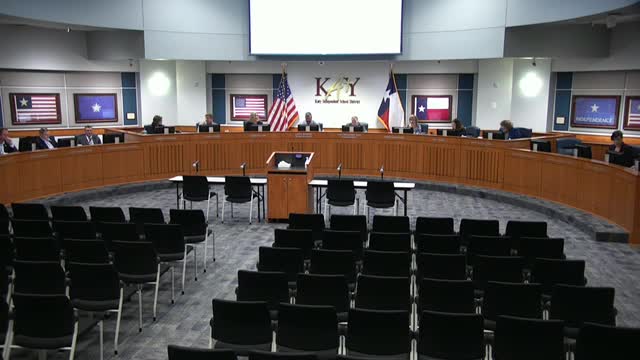
Summary
Katy ISD Chief Information Officer Dr. John Alonay presented an AI Administrative Roadmap that would pilot chatbots, voice agents, building-access assistants and bilingual enrollment tools, aiming to handle 30% of routine inquiries across district operations within 12–18 months.
Katy Independent School District on Monday unveiled an AI Administrative Roadmap that would introduce district‑built and vendor‑supported artificial intelligence agents to handle routine administrative work, from enrollment questions to help‑desk resets and visitor badging.
Dr. John Alonay, Katy ISD chief information officer, told the Board of Trustees the district is developing AI features in‑house using platforms from major vendors. "Leverage AI to make the district more efficient so our people can spend more time focusing on students and families," Dr. Alonay said.
The plan focuses on administrative functions, he said. The district will pilot multiple "building blocks": a bilingual (English/Spanish) enrollment assistant, an AI help‑desk assistant for technology issues, a chatbot for web and portal questions, an AI receptionist for call routing, and an AI building‑access assistant to screen visitors and guide them through badging. Dr. Alonay said the district expects these tools to manage at least 30% of common inquiries and provide 24/7 bilingual support.
Nut graf: The initiative is presented as a phased rollout — foundational pilots at the district service center, a three‑school campus pilot, and a controlled expansion to 40 schools — with an estimated 12–18 month timeline to districtwide deployment. The roadmap is framed as efficiency and capacity building rather than staff replacement.
Board members asked about guardrails, data retention, and in‑person service. Dr. Alonay said the district will supply strict policies and narrowly defined content for the agents so they do not “learn” beyond defined bounds and will escalate conversations to live staff when needed. "We instruct them not to be creative," he said, describing models focused on specific information and behavior.
Library review and content moderation were discussed at length. Dr. Alonay said librarians already use locally developed agents to screen books against district policy and Texas law; when a PDF or full text is available the tool can analyze content directly, and when a PDF is unavailable the agent queries online reviews and excerpts to assist reviewers. He noted the tool can identify passages for human reviewers and reduce the time needed for internal review.
Questions from trustees covered security, potential reductions in human interaction, substitute scheduling, pilot site selection, and biometric scanning. On biometrics, Dr. Alonay said, "Not part of this initiative." Dr. Alonay and board members said pilots will include bilingual campuses and principals must agree before campus rollout. The district plans regular campus‑level feedback and scheduled surveys during pilots to refine models and measure social and operational impact.
Ending: Dr. Alonay described the effort as carefully staged and emphasized transparency and escalation paths to live staff. He invited more questions and said additional briefings and demonstrations would follow as pilots progress.