
Jim Wells County signs on to opioid settlements; county allocation and regional funds noted
Get AI-powered insights, summaries, and transcripts
Subscribe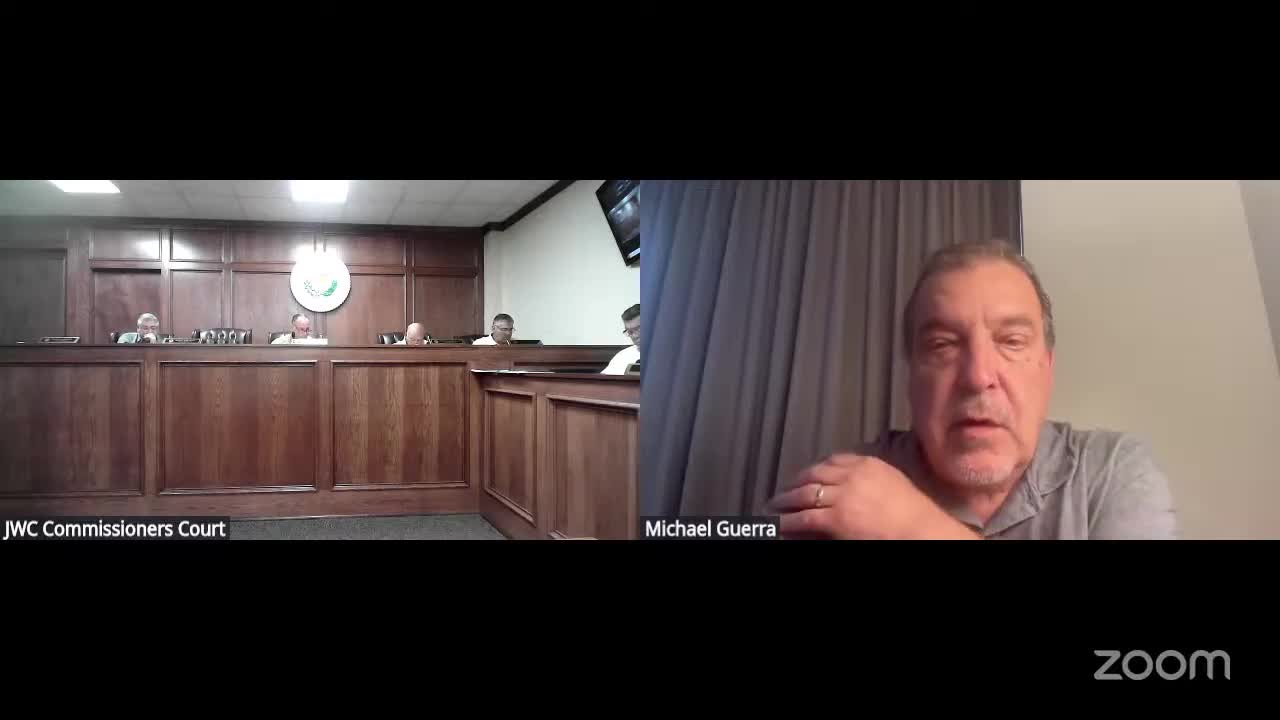
Summary
The commissioners approved participation in two Texas opioid settlement programs: a Purdue/Sackler settlement administered by the state (amount sent to Texas $286 million) and a regional allocation under a separate settlement that directly allocates $43,244 to Jim Wells County and creates a regional competitive fund.
Jim Wells County commissioners on Sept. 12 authorized participation in two settlements from multi-district opioid litigation, approving settlement participation and release forms for both a Purdue/Sackler matter and a separate settlement covering manufacturers and distributors.
A county official told the court the Purdue/Sackler settlement would send $286 million to the state of Texas; how that statewide pot will be allocated to counties will depend on an agreement between the state and political subdivisions, and the county’s precise share was not yet known. The official said bankruptcy proceedings involving the Sackler family had delayed some settlement timing but urged counties to sign participation forms by Sept. 30 to preserve eligibility.
On a separate settlement covering several pharmaceutical defendants the court reviewed a slide showing the county’s direct allocation and regional fund. The official said Jim Wells County’s direct allocation under that settlement would be $43,244. The settlement also sets aside approximately $5,000,007 (regional fund shown on slide) for competitive regional grants among grouped South Texas counties; the county would be eligible to apply for regional funds under the competitive process.
Commissioners approved authorization for the county judge to sign settlement participation and release forms for both matters. The court did not specify how settlement dollars will be spent but noted the funds are subject to restrictions because they are opioid-related.
Ending: The court authorized the county to participate in the settlements; county staff will await the state’s allocation methodology and competitive regional-grant schedules before pursuing spending or applications.