
Tompkins County IT requests one new cyber support role, warns of rising cyber threats and training needs
Get AI-powered insights, summaries, and transcripts
Subscribe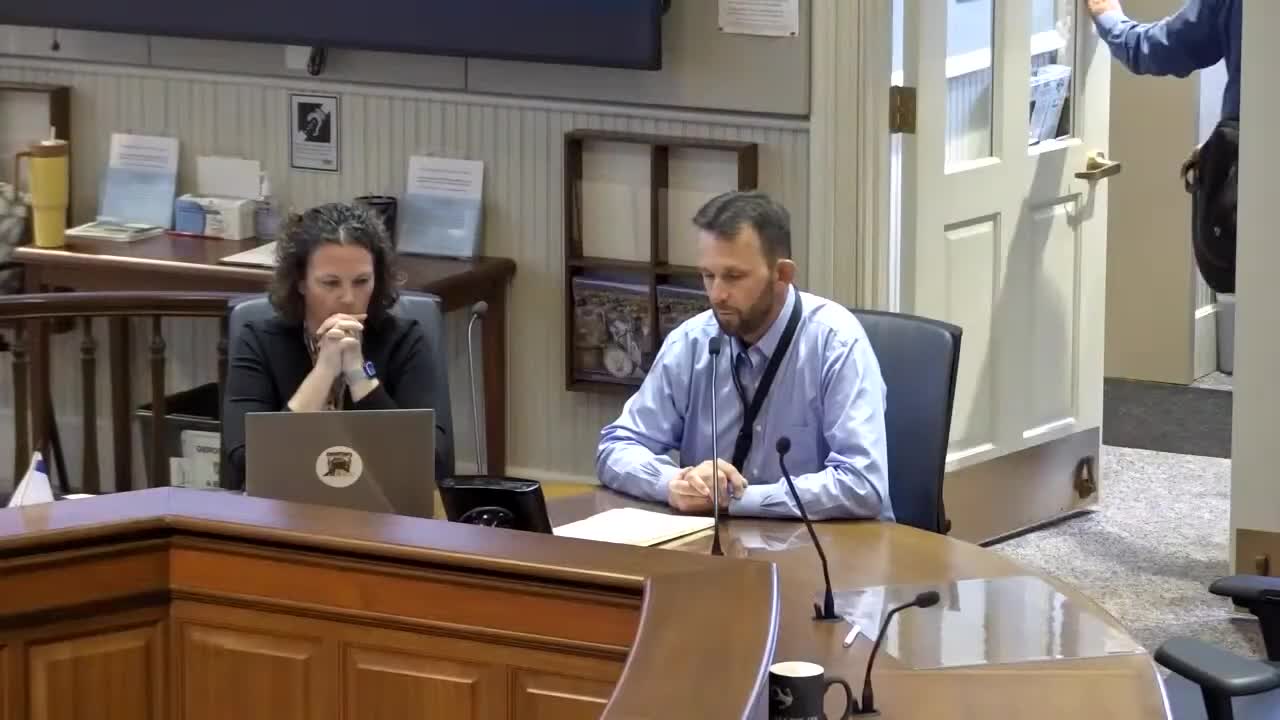
Summary
Information Technology leaders told legislators the department is understaffed after cuts and departures, is seeing increased cybersecurity workload, and asked for one supported position, an additional request for a second position, and $11,000 more for training to keep systems patched and staff certified.
Lauren Cottrell, interim Information Technology director, told the committee that Tompkins County’s IT division has dropped from 16 to 13 employees and is asking for two additional system‑analyst positions — one of them prioritized in the county administrator’s recommendation — to cover cyber, infrastructure and GIS workloads across 30 departments and 20 county buildings.
“We have over 3,000 endpoints including computers, phones, copiers, Wi‑Fi access points, cameras,” Cottrell said, and industry‑wide service contracts are rising. She described a steady increase in cybersecurity incidents and said the department is spreading critical responsibilities across too few people; an IT security analyst currently carries 24/7 responsibilities and backups are minimal.
Cottrell asked legislators to support one analyst position the administrator recommended and consider restoring the second request later. She also requested an $11,000 increase in training funds, saying certifications and vendor‑specific training (for virtualization, endpoint protection and storage) are expensive but important to retain staff and manage risk. Committee members pressed about who manages the county website (the county administration office via Granicus) and about expectations for supporting increasing remote‑work and mobile authentication needs.
Council members and legislators raised cybersecurity preparedness. Committee member Shauna noted counties increasingly face nation‑state or organized cyberattacks and urged investment; another legislator pointed to the cost of vendor certifications for staff as a retention tool. Cottrell and security staff described the department’s role in planned capital projects and recent operational moves, and provided an example of daily cybersecurity work: the team spent an hour to 90 minutes today investigating a voice‑phishing attempt directed at a county medical provider.
The request is tied to maintaining operations and reducing single‑person failure points: the department said one added analyst is critical to provide redundancy and routine coverage; two hires would allow more capacity for project work and proactive security and infrastructure improvements.