
Shelbyville lays out vision for Riverview entertainment district; open‑container rules and phases under review
Get AI-powered insights, summaries, and transcripts
Subscribe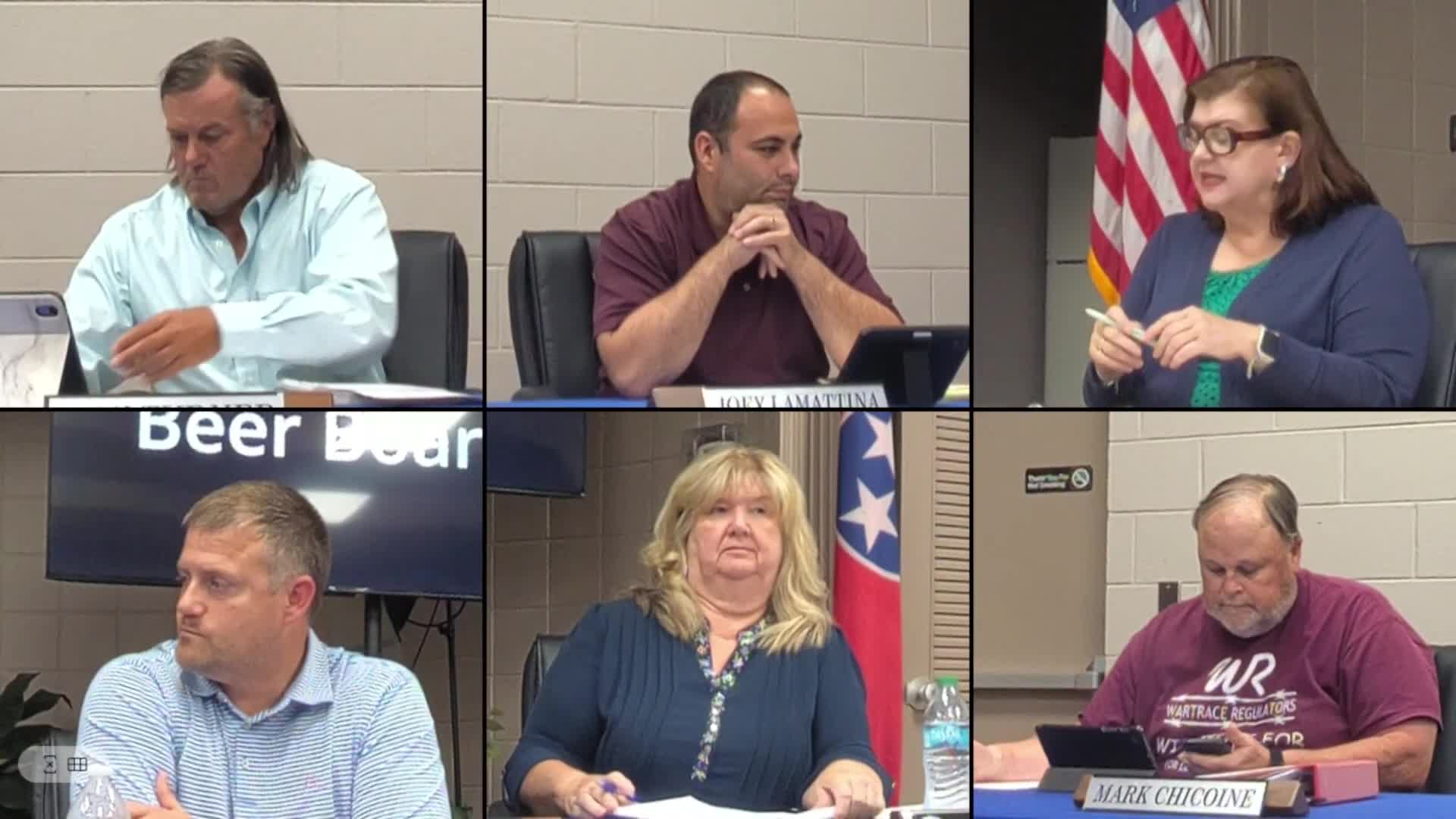
Summary
City officials presented a phased vision to create a pedestrian Riverview entertainment district along South Spring Street, connected to a planned Riverwalk and overlook; legal and operational questions remain about open‑container rules, permitted containers, hours, noise limits and enforcement and the planning commission and council will review.
A city official outlined a multi‑phase plan to create a Riverview entertainment district on South Spring Street, linking downtown Shelbyville to a planned Riverwalk and river overlook, and asked the Beer Board to study possible regulatory changes, including a local open‑container exception.
Why it matters: The project is presented as a tool for downtown economic revitalization and aims to use underutilized assets — notably the Duck River and adjacent property the city purchased — to spark pedestrian activity, events and private investment. Changes to local rules on open containers would require ordinance changes and coordination among the police, planning, codes and the county/city attorneys.
Presentation and key elements: The city official said the Riverview District would run roughly from West Depot Street down South Spring Street toward McGrew and include a parking area the city owns, a cantilevered river overlook, pedestrian improvements, and a permanent stage area for concerts. The city has a state grant for the Riverwalk and has already purchased several West‑side buildings to encourage private renovation. Staff described a likely multi‑phase approach: (1) allow businesses to extend patios into the public right-of-way with roped or bollarded “parklet” café areas; (2) close the street to through traffic on special days or permanently with removable bollards to create a pedestrian promenade; (3) expand to include parking lots and the river overlook for larger events; and (4) potentially extend an open‑container district to the square in later phases.
Legal and practical questions: The presenter reviewed Tennessee’s open‑container law and the city’s municipal code. The presenter told the board, “In the state of Tennessee, open container law only refers to the vehicle being in an operating vehicle,” and noted the city code’s current prohibition against drinking beer in public spaces (Title 10, Chapter 2). The official said cities take different approaches: Memphis exempts Beale Street; Chattanooga restricts container type and sometimes requires a branded cup from local vendors; Nashville generally bars glass and metal so plastic cups are commonly left unenforced on certain entertainment corridors.
Community, operations and enforcement considerations: Staff asked the Beer Board to consider who should administer special-event permits (the board, a new alcohol commission or the council), whether to ban glass, whether to require a city‑branded or vendor‑issued cup for open‑container consumption, and how to set guardrails for hours, noise limits and resident impacts. The presenter also noted that municipal court penalties for local open‑container violations are limited (municipal fines, not imprisonment) and emphasized that any open‑container exceptions would need clear, defined boundaries and supporting ordinance language.
Next steps: The official asked the Beer Board to study examples in other Tennessee cities and to report back to council; staff said they would prepare a matrix comparing open‑container approaches (Memphis, Chattanooga, Nashville, Clarksville) and bring site drawings and a draft timeline to the board next month. The city suggested phased pilot programs and recommended aligning planning‑commission and council reviews with public‑works schedules (the street and utility work is expected to take about a year).