
Mesa Elementary staff present 90‑day plan focusing on structured literacy, math fluency and attendance
Get AI-powered insights, summaries, and transcripts
Subscribe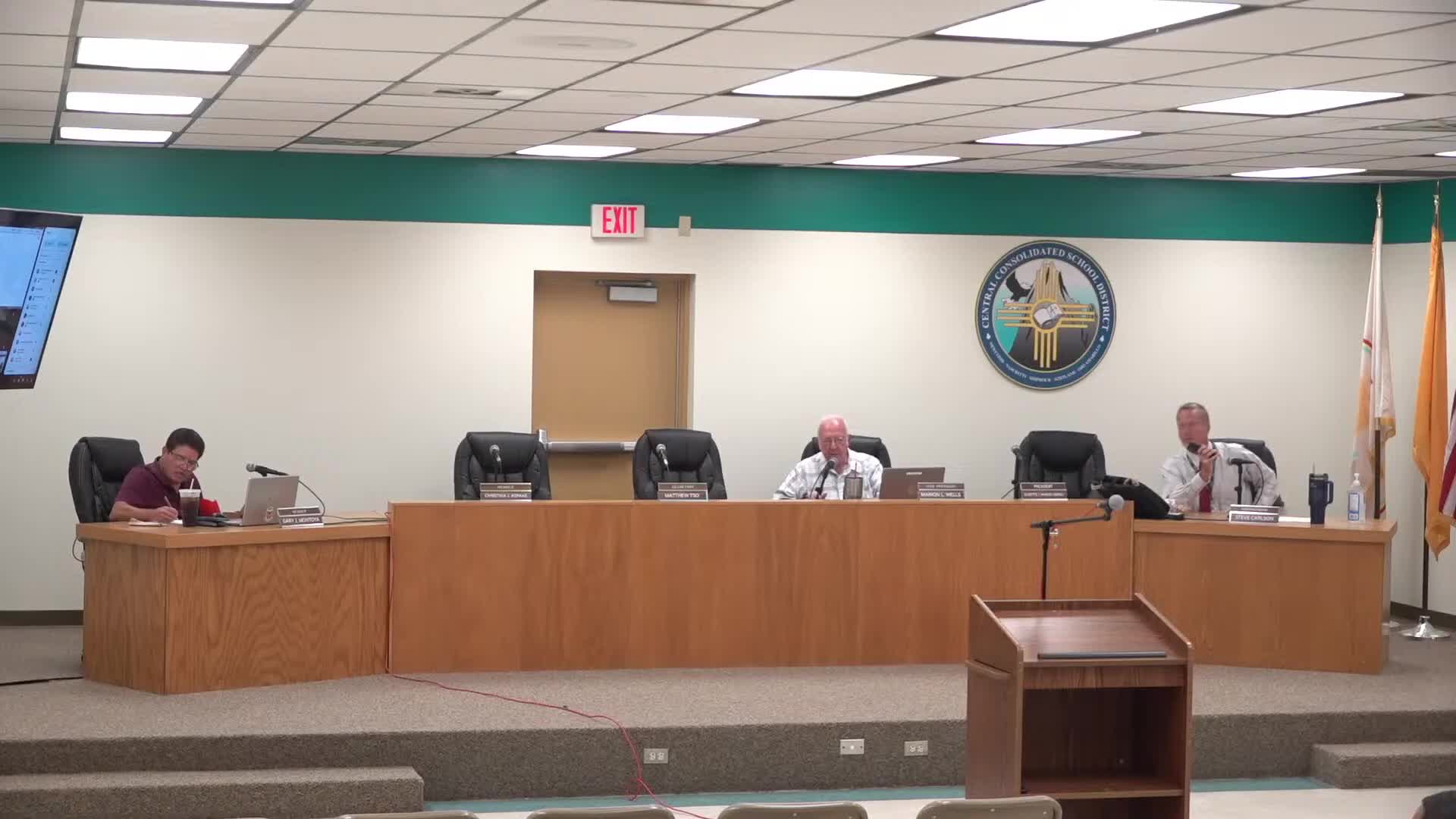
Summary
Mesa Elementary presented a fall 90‑day plan to the school board outlining structured‑literacy implementation, continued math work, STEM/science strategies, pre‑K impacts and targeted attendance interventions; staff said a recently awarded $25,000 structured‑literacy grant will support the work.
Mesa Elementary leaders and teachers presented a fall 90‑day plan at a Central Consolidated School District board meeting, describing steps to tighten classroom instruction, expand family engagement and reduce chronic absenteeism. School staff identified structured literacy and implementation of high‑quality instructional materials as the top priorities for English language arts, and said they will pair that work with math fluency routines, STEM‑based science lessons and multiple attendance interventions.
School leader Gina Jones said Mesa received a structured‑literacy grant of $25,000 and a CREC literacy coach, Patricia Esick, to support teacher training and classroom materials. Jones described a push to have teachers use HQIM (high‑quality instructional materials) by grade level, to run PLCs (professional learning communities) and to hold regular classroom walk‑throughs to monitor lesson plans and small‑group instruction. “We applied for a structured literacy grant … along with that came the $25,000 that we have to use for structured literacy support,” Jones said.
Teachers and coaches described specific classroom practices. Glendora Guillen told the board Mesa is implementing structured‑literacy lesson and unit plans, using a school planning tool (Schoology) to coordinate instruction and running biweekly PLC data meetings. Staff said they will use the IMESA/EMIRRA assessment systems to filter and disaggregate student data by group and by individual student, and they have created trackers so teachers can see which specific students are making growth.
On math, presenters said they will continue math number talks and daily math fluency routines, supplementing teacher development with consultants (Dana Center, Empower) and monthly or biweekly coaching visits. Science teacher Danielle Jim said Mesa will use STEMScopes and five‑E lesson structures to increase hands‑on science and integrate vocabulary supports for English learners.
Staff emphasized family engagement and language development: kindergarten teacher Tatiana Hayes reported the school’s pre‑K program served a single 4‑year‑old classroom of 20 students this year and said teachers saw improved readiness—vocabulary, listening and number sense—among incoming kindergartners. The school also plans family literacy and math nights and wants 100 percent teacher participation in those events.
Attendance was front and center. Jones said Mesa had about seven students identified as chronically absent and reported targeted interventions: increased communication by teachers, home visits by liaisons, referrals to Project Safety Net and counseling, and casework with families. Staff said they are using Capturing Kids' Hearts as a whole‑school approach to strengthen student‑teacher relationships and reduce absences.
Board members asked about differentiation for students working above and below grade level; presenters described daily routines (number talks, centers, workshop model), instructional rounds, and scaffolded lessons that allow teachers to move students vertically across standards. Leaders also noted Mesa is a CSI (Comprehensive Support and Improvement) school and described that status as driving accountability and additional supports from the Public Education Department (PED).
Why it matters: Mesa is operating under targeted improvement support and told the board it is building systems—teacher coaching, data trackers, family outreach and interventions—intended to be sustained beyond one funding cycle. The plan includes specific, measurable practices (PLC cadence, assessments, family nights) and named consultants and coaches assigned to help implement them.
Speakers quoted in this article are those who presented Mesa’s plan or asked substantive questions during that portion of the meeting.