
Grant County Community Health Council reports suicide-prevention training, transportation mapping, and new Tri-County youth prevention effort
Get AI-powered insights, summaries, and transcripts
Subscribe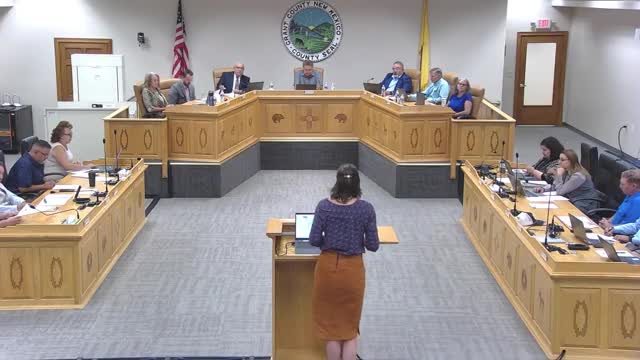
Summary
The Community Health Council reported suicide prevention and overdose trainings, a Transportation Resource Mapping initiative to identify transit gaps for seniors and Medicaid users, and a joint Tri-County Youth Prevention Task Force to address substance misuse among youth.
The Grant County Community Health Council presented its quarterly update on Sept. 11, outlining outreach, suicide- and overdose-prevention training, transportation resource mapping and a new Tri-County Youth Prevention Task Force. Emma McKinley, representing the Center for Health Innovations and the county health council, told commissioners the council certified more than 200 school staff and faculty in Question, Persuade, Refer (QPR) suicide-prevention training at Silver Consolidated Schools and Western New Mexico University. The council also provided over 40 community members training on naloxone use for opioid overdose reversal and distributed prevention resources at regional events. McKinley said the council has launched a Transportation Resource Mapping initiative to catalog existing transit options, identify limitations (for example, the state’s highly rural veterans transportation program does not currently cover Grant County) and examine whether some providers who accept Medicaid can also accept Medicare to improve senior access. The council plans resident surveys of outlying areas to gauge interest in public-transportation options. She described a newly formed Tri-County Youth Prevention Task Force — a partnership among local agencies and law enforcement intended to build referral networks and prevention services across Grant, Luna and Hidalgo counties. McKinley invited county leaders to participate in an upcoming Senate Bill 3 executive session on regional behavioral-health planning and asked commissioners to help publicize health-council meetings. Commissioners asked about coordination with local law enforcement and the DARE program; McKinley said the council works closely with the sheriff’s office and local prevention coordinators.